
Research Resources
VLC AI Assistant
Upstream Disease Prevention Through Evidence-Based Intervention

The Birth & Evoluation of Diabetes Series 1 - 14
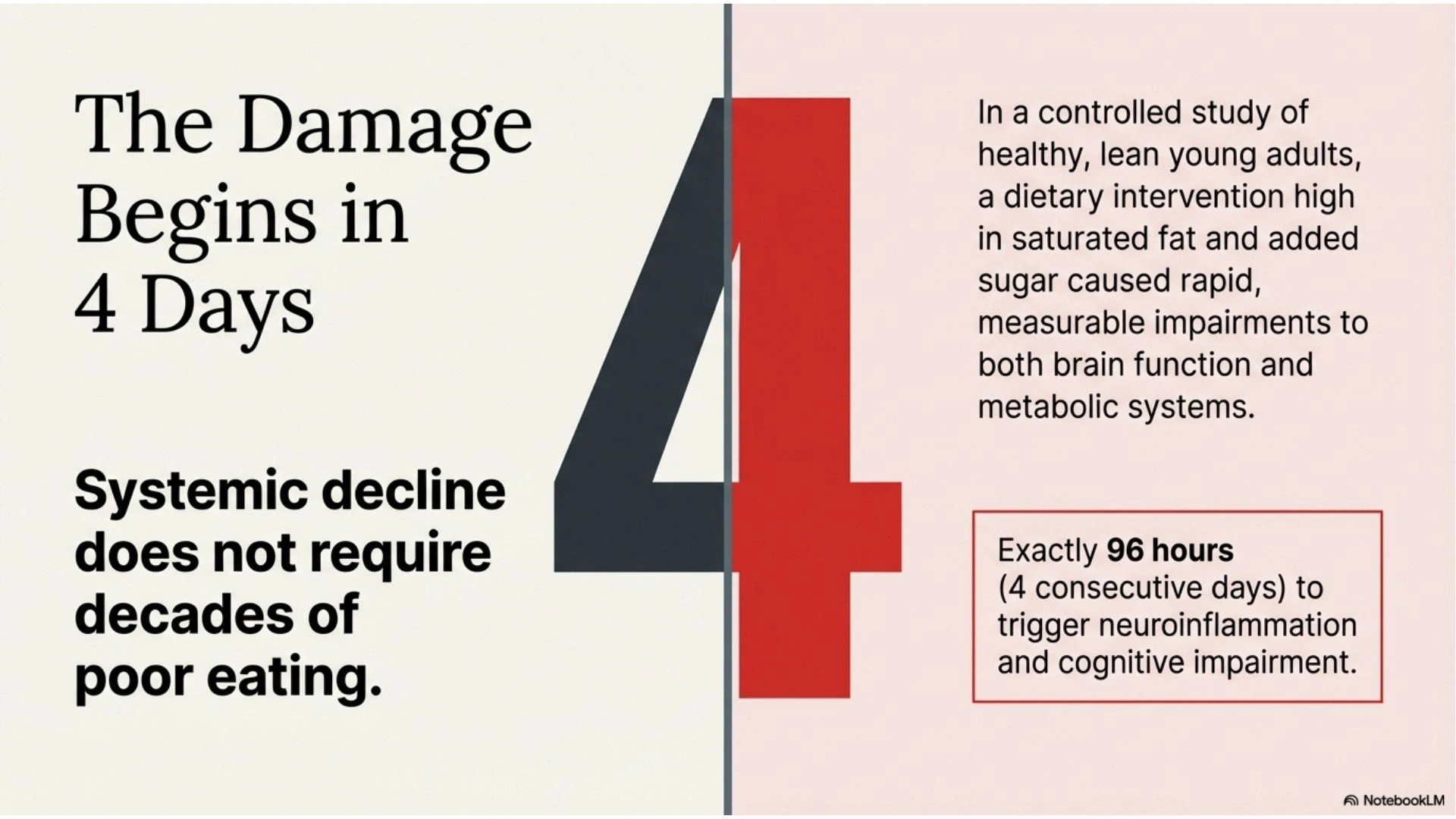
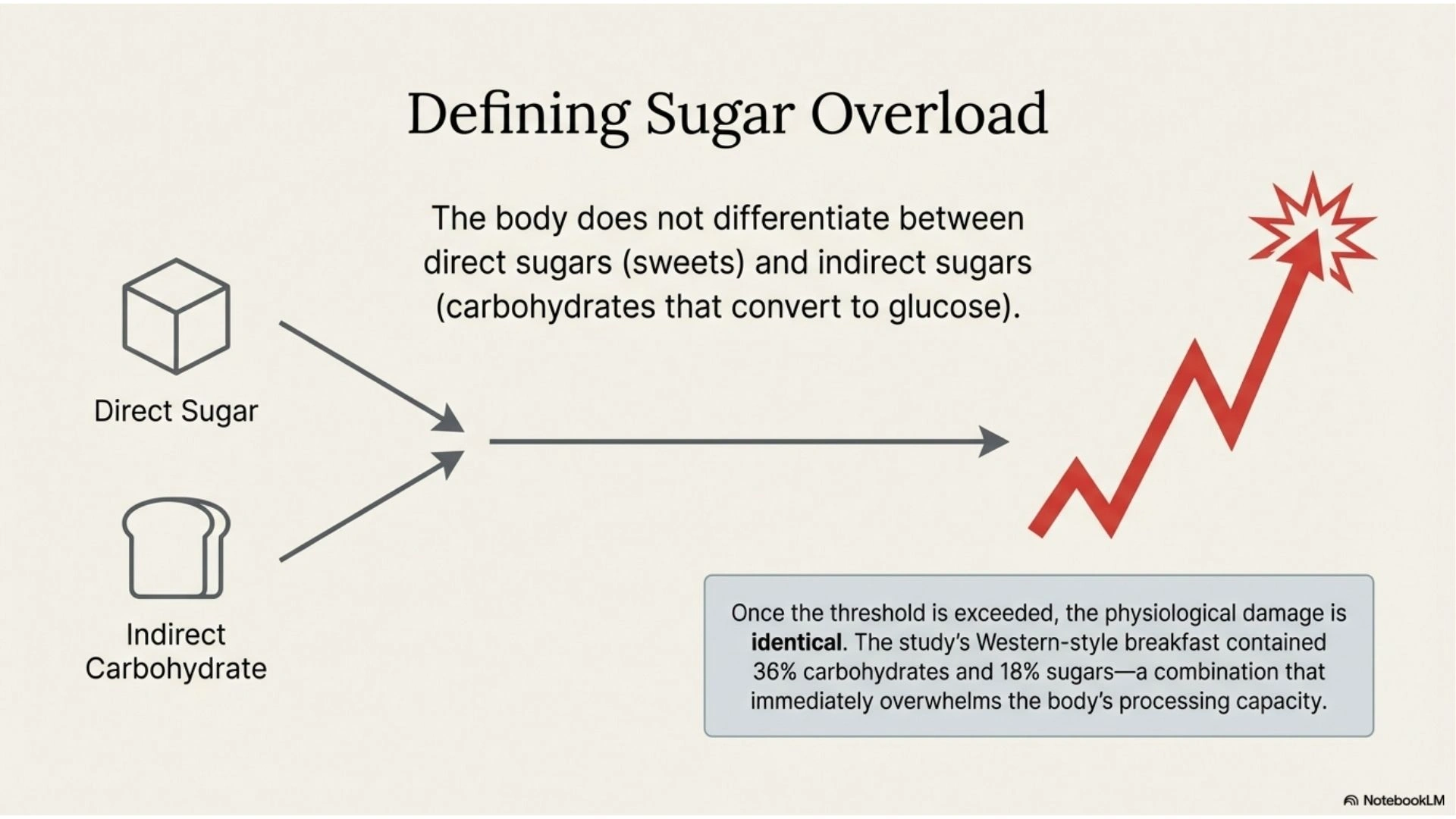
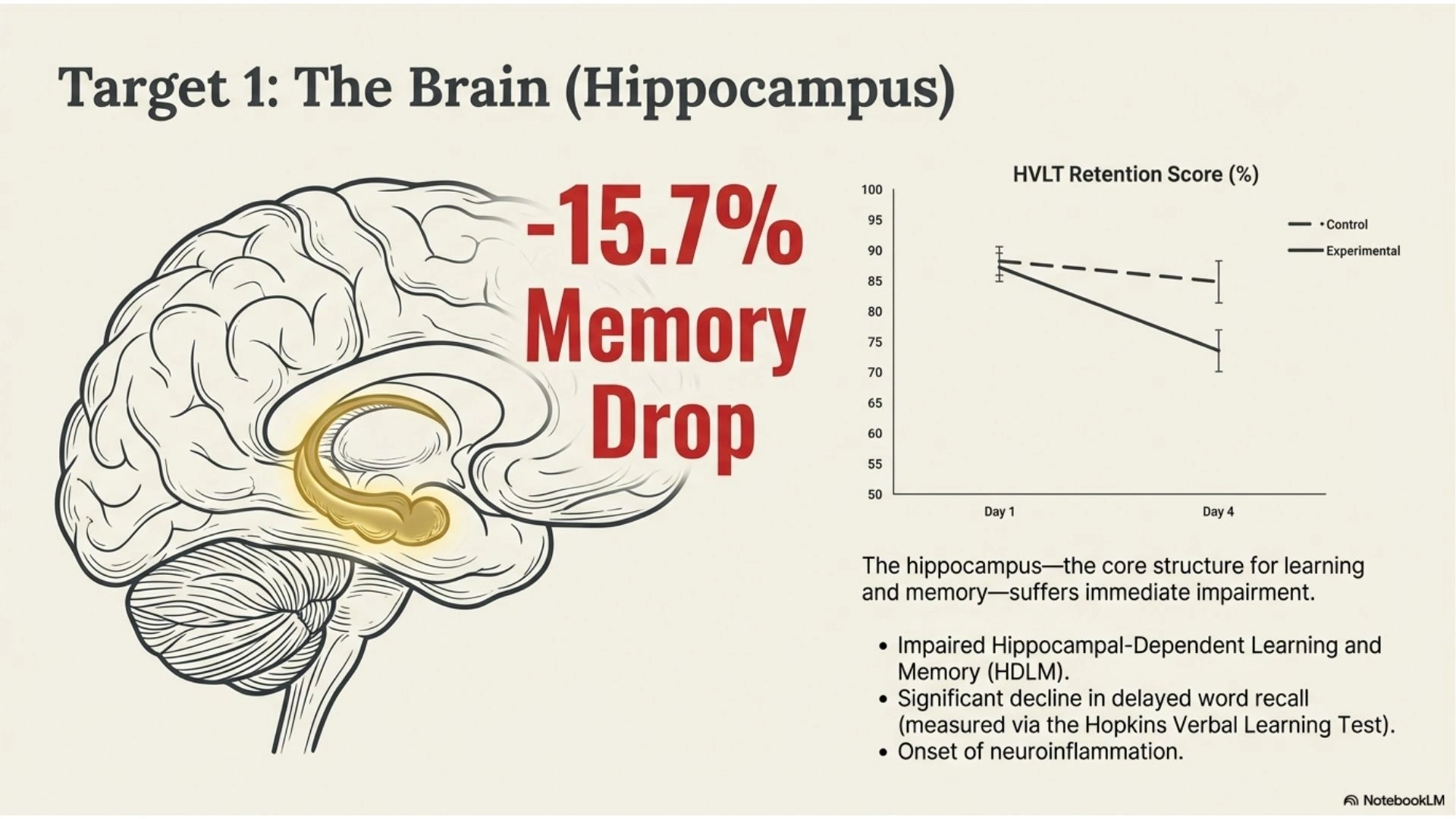
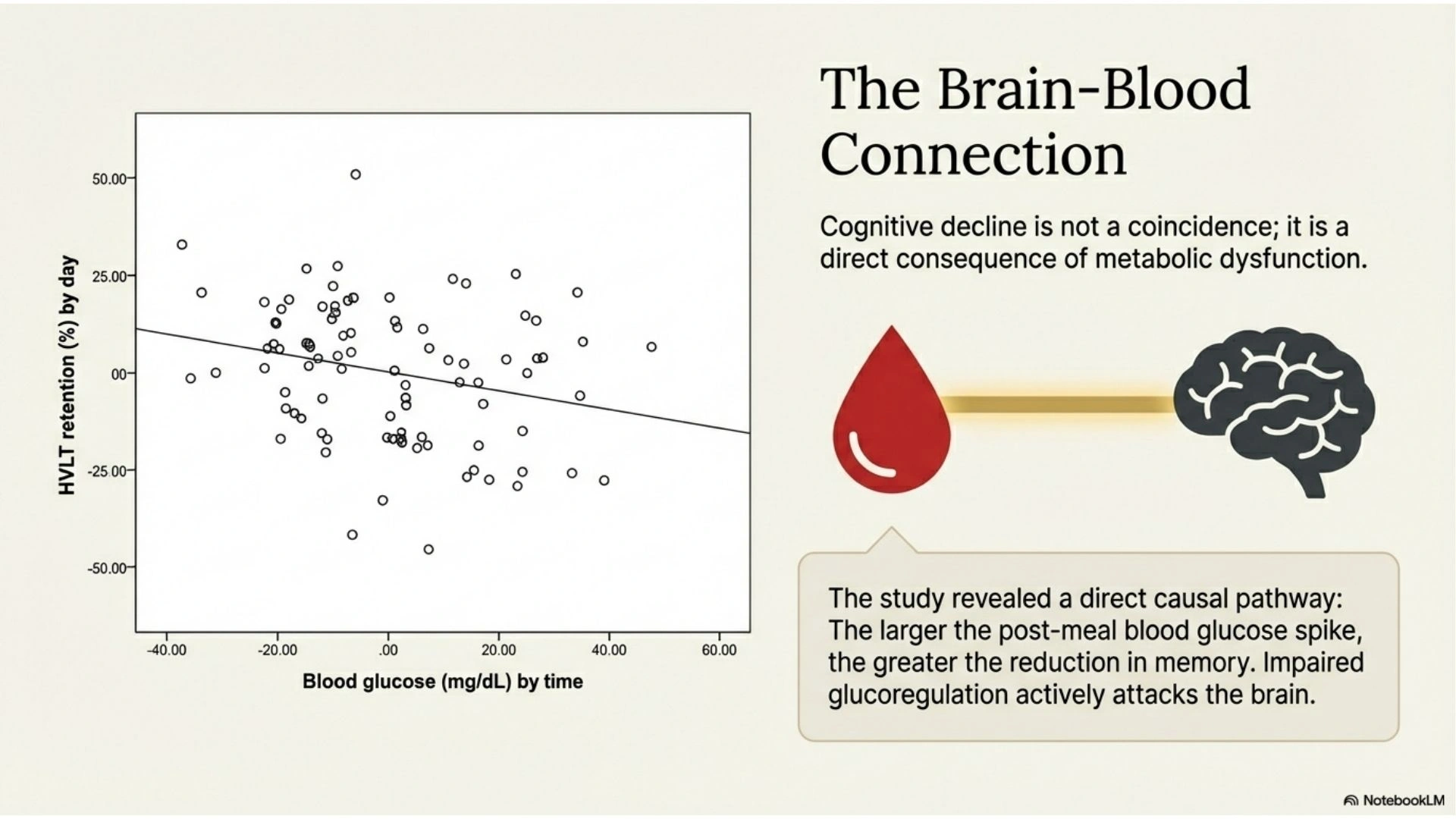
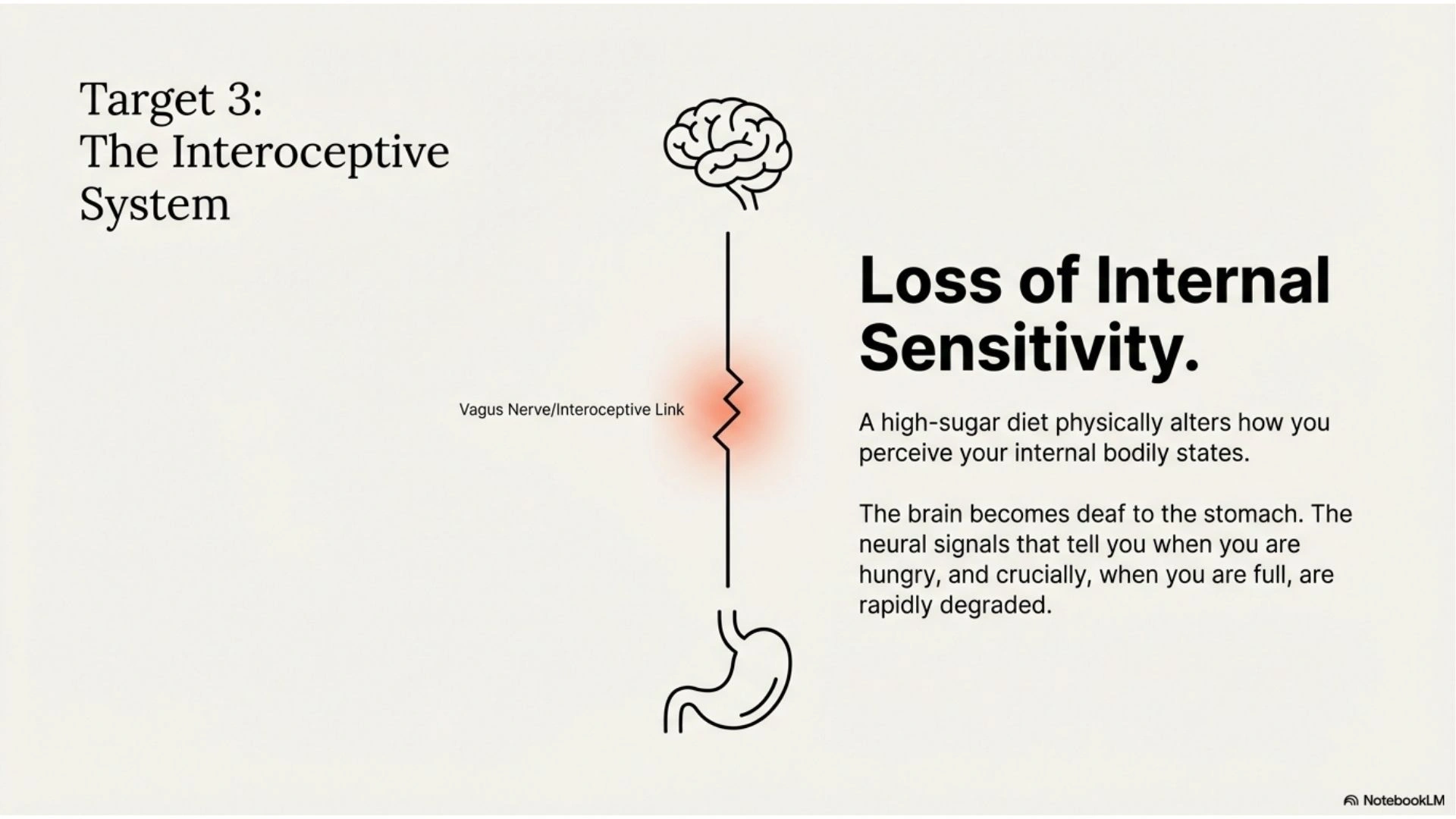
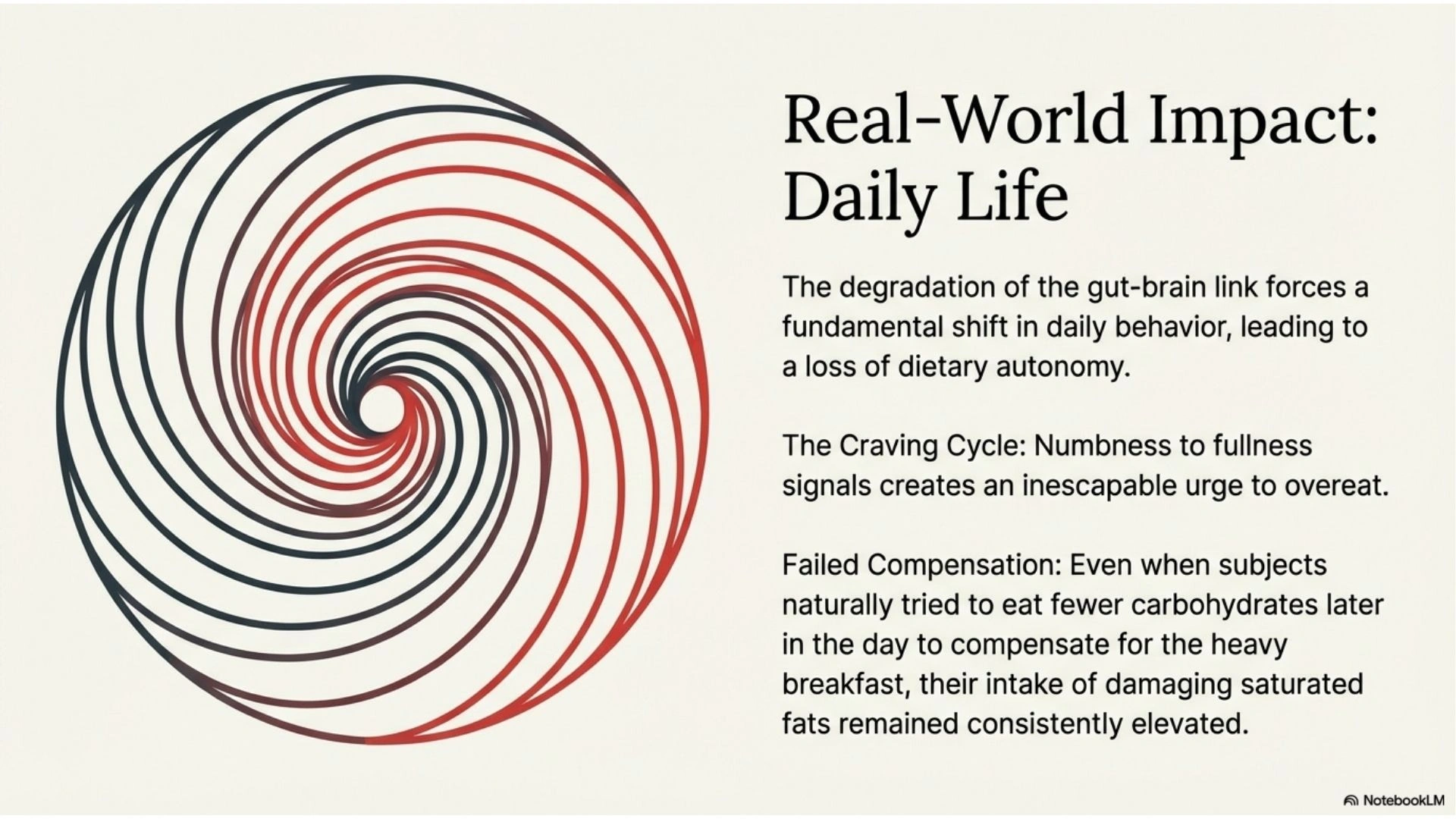
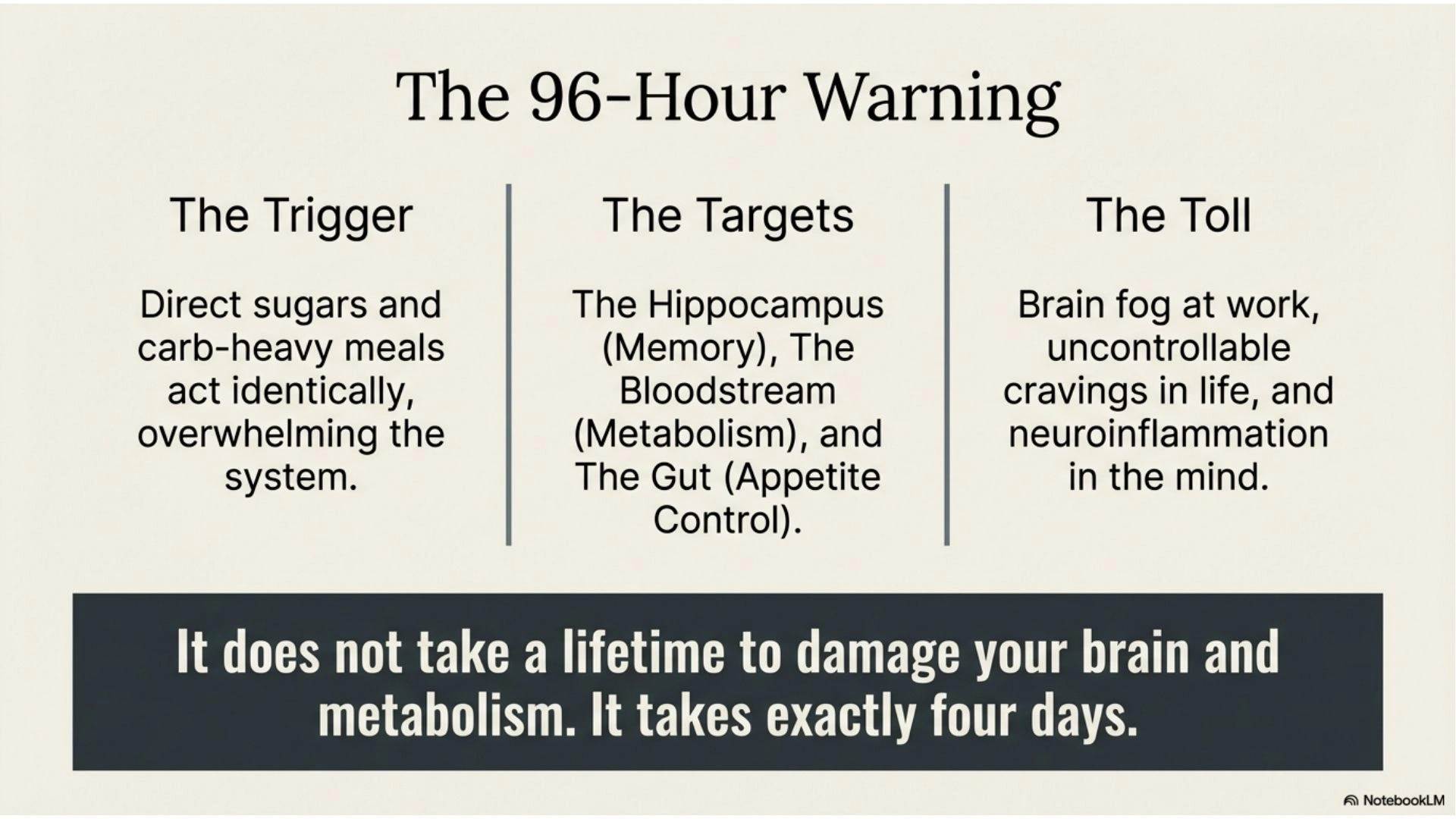
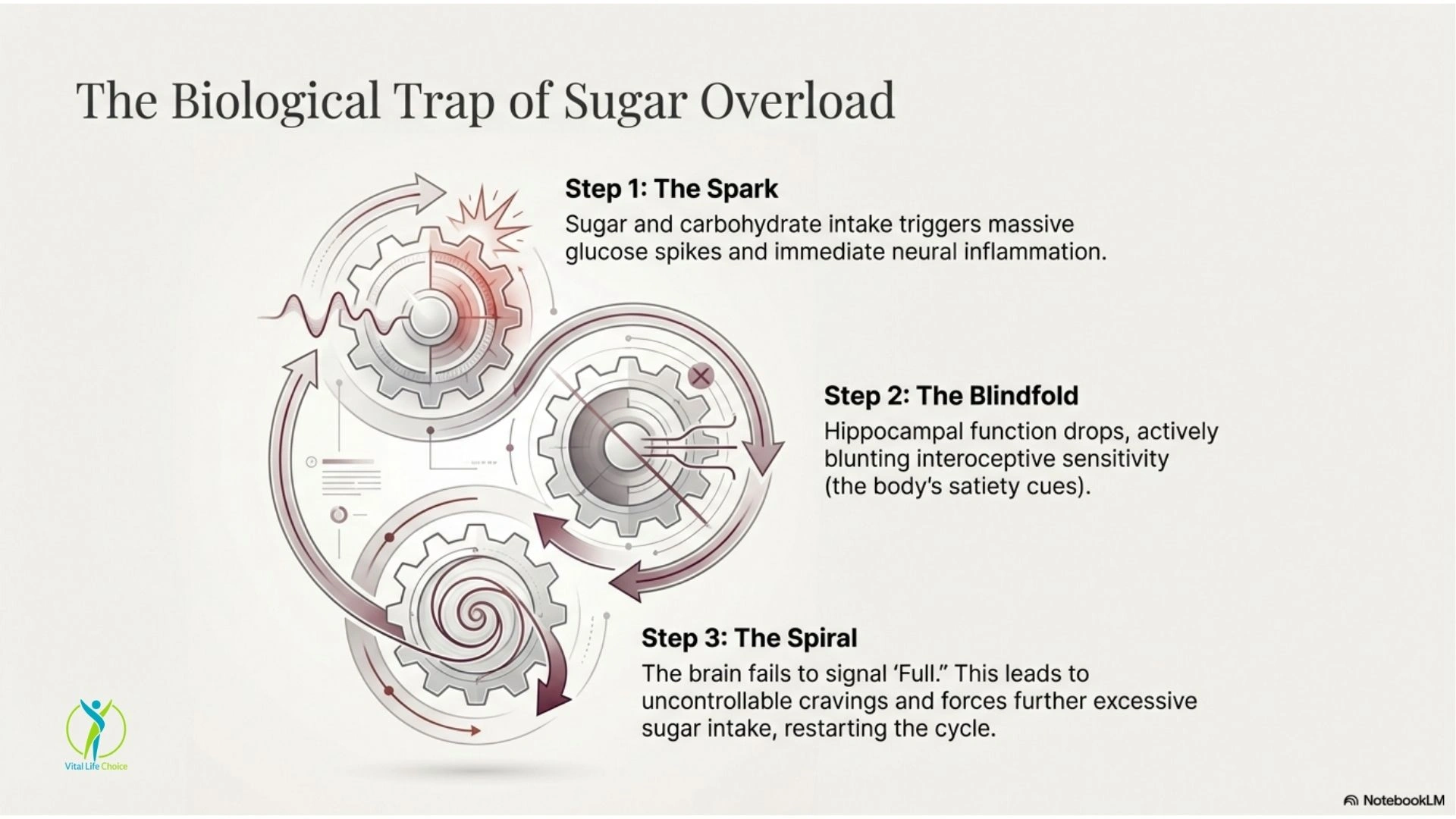
The Rapid Cognitive and Metabolic Toll of Excese Sugar for 4 days






The Birth & Evoluation of Diabetes Series 1A - 14
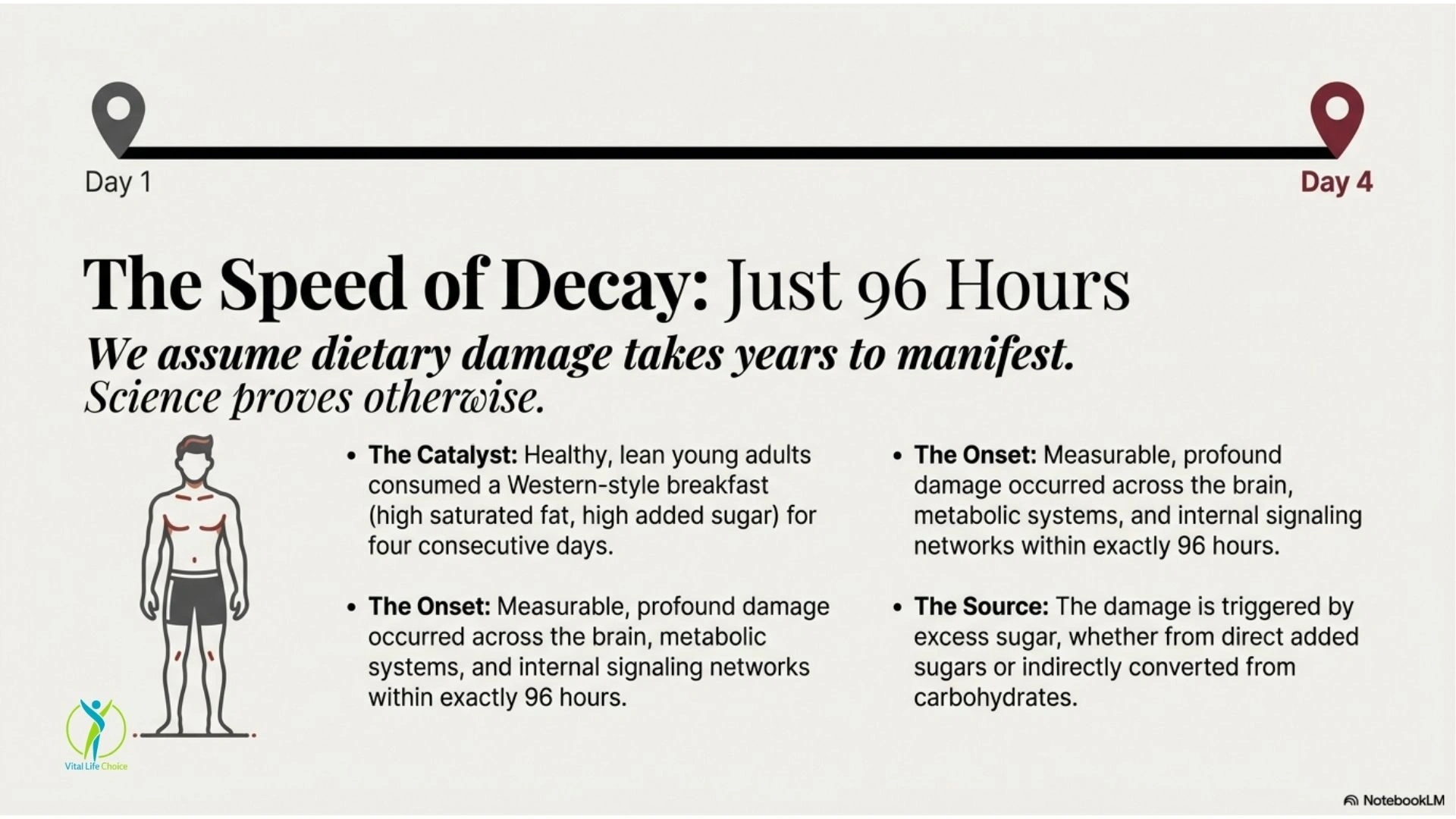
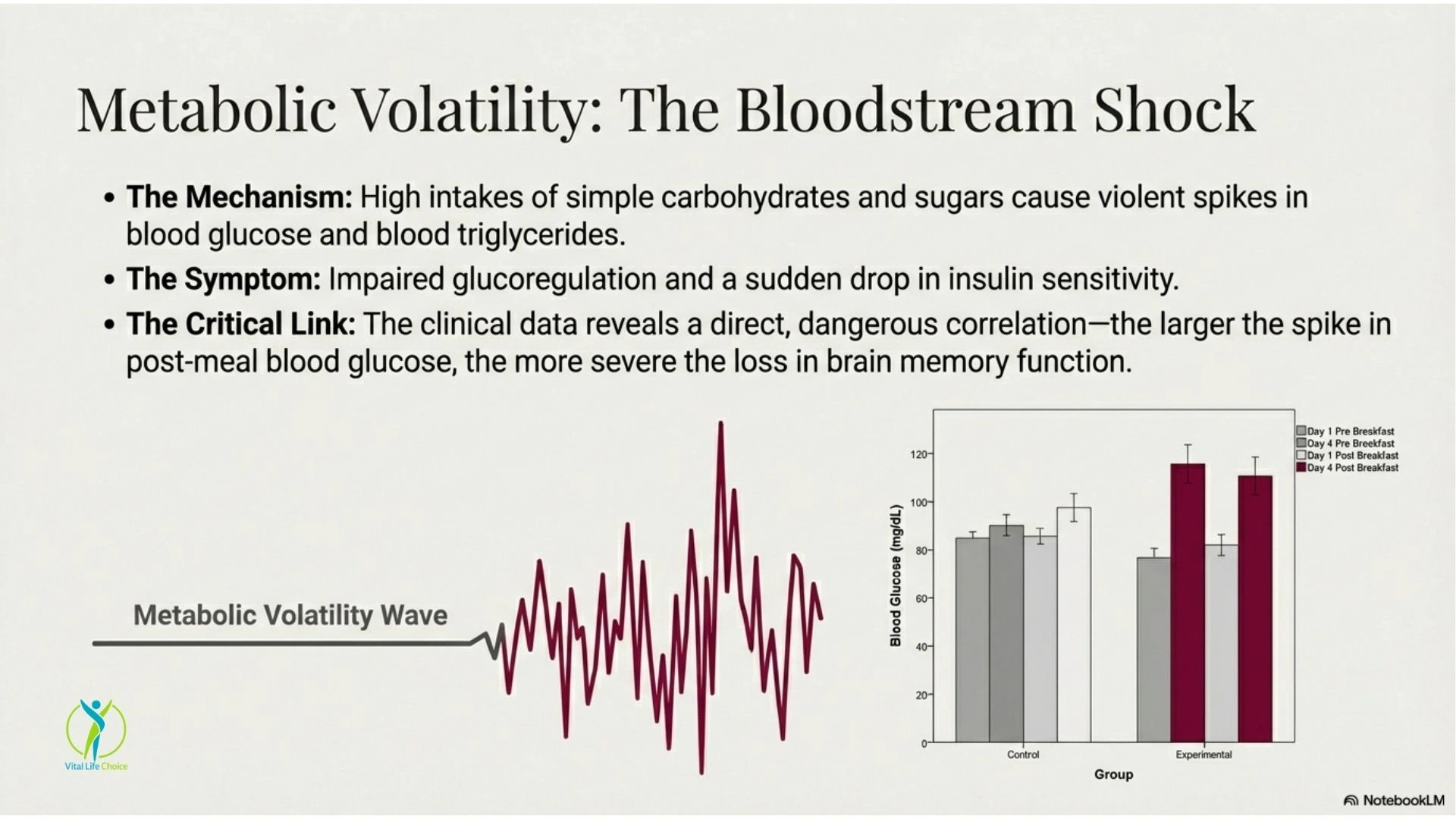
The Rapid Cognitive and Metabolic Toll of Excese Sugar Just 96 hours






The Birth & Evoluation of Diabetes Series 2 - 14
Type 2 Diabetes: Scientific Understanding & The Path of Hope




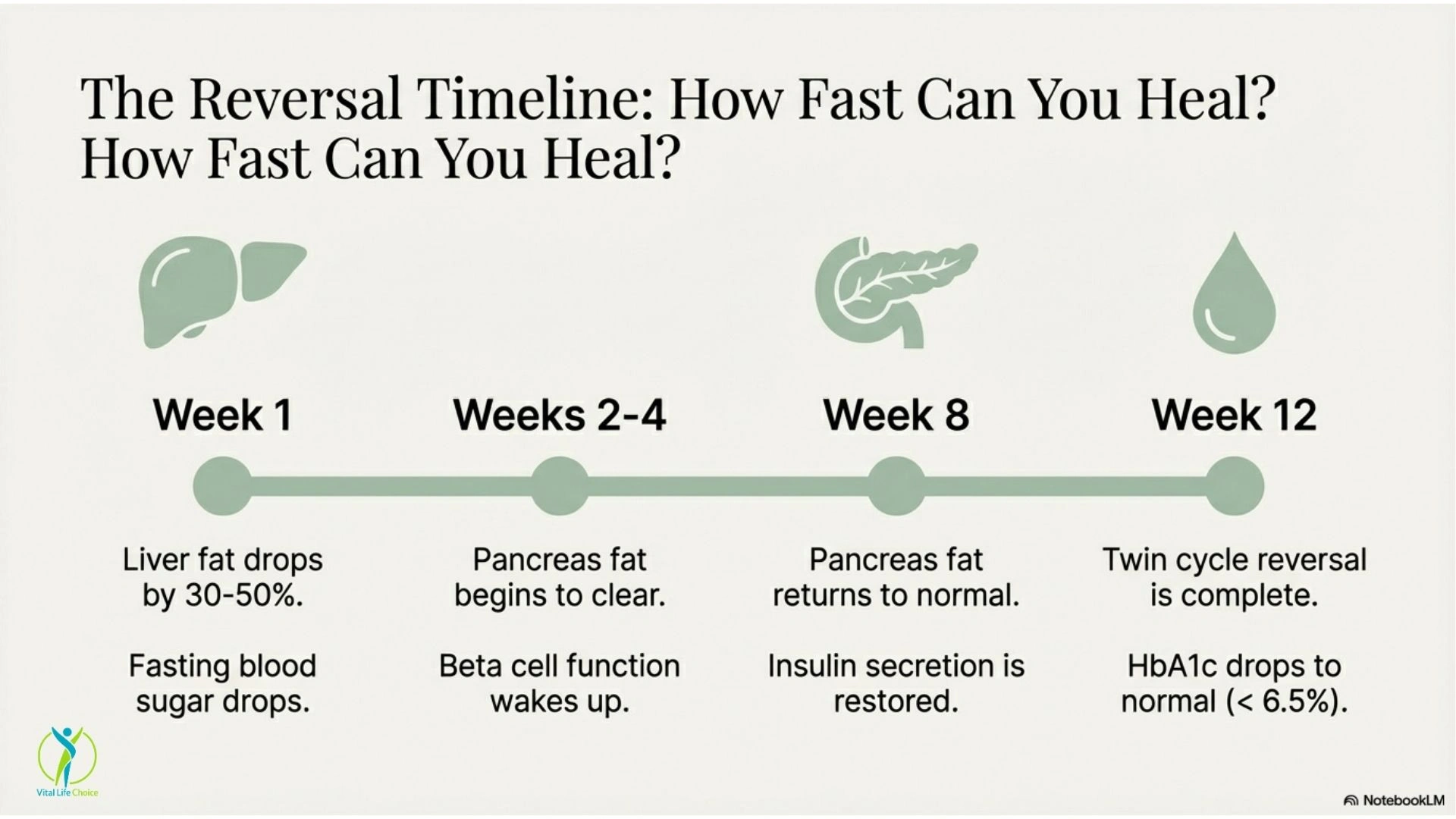
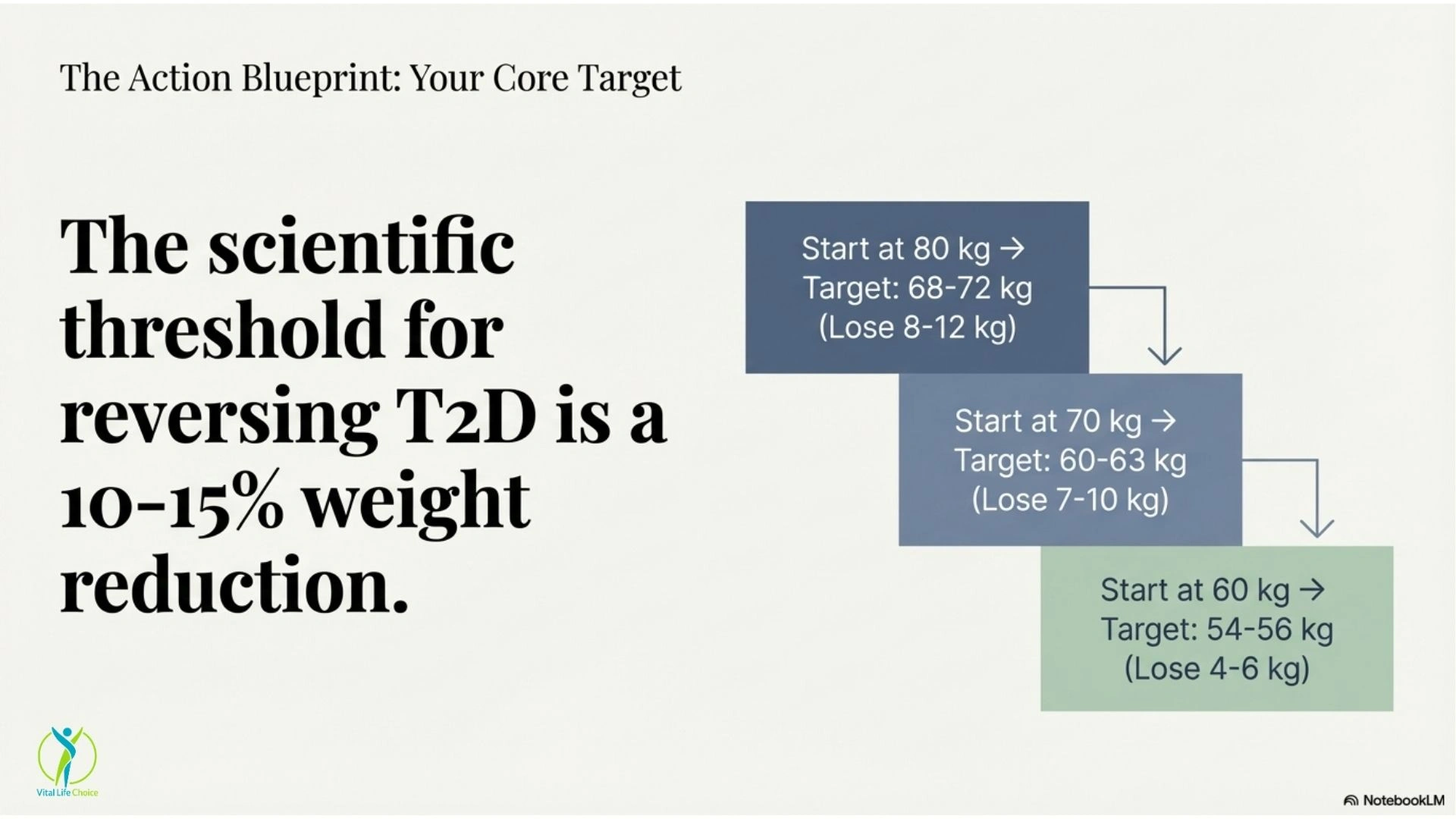
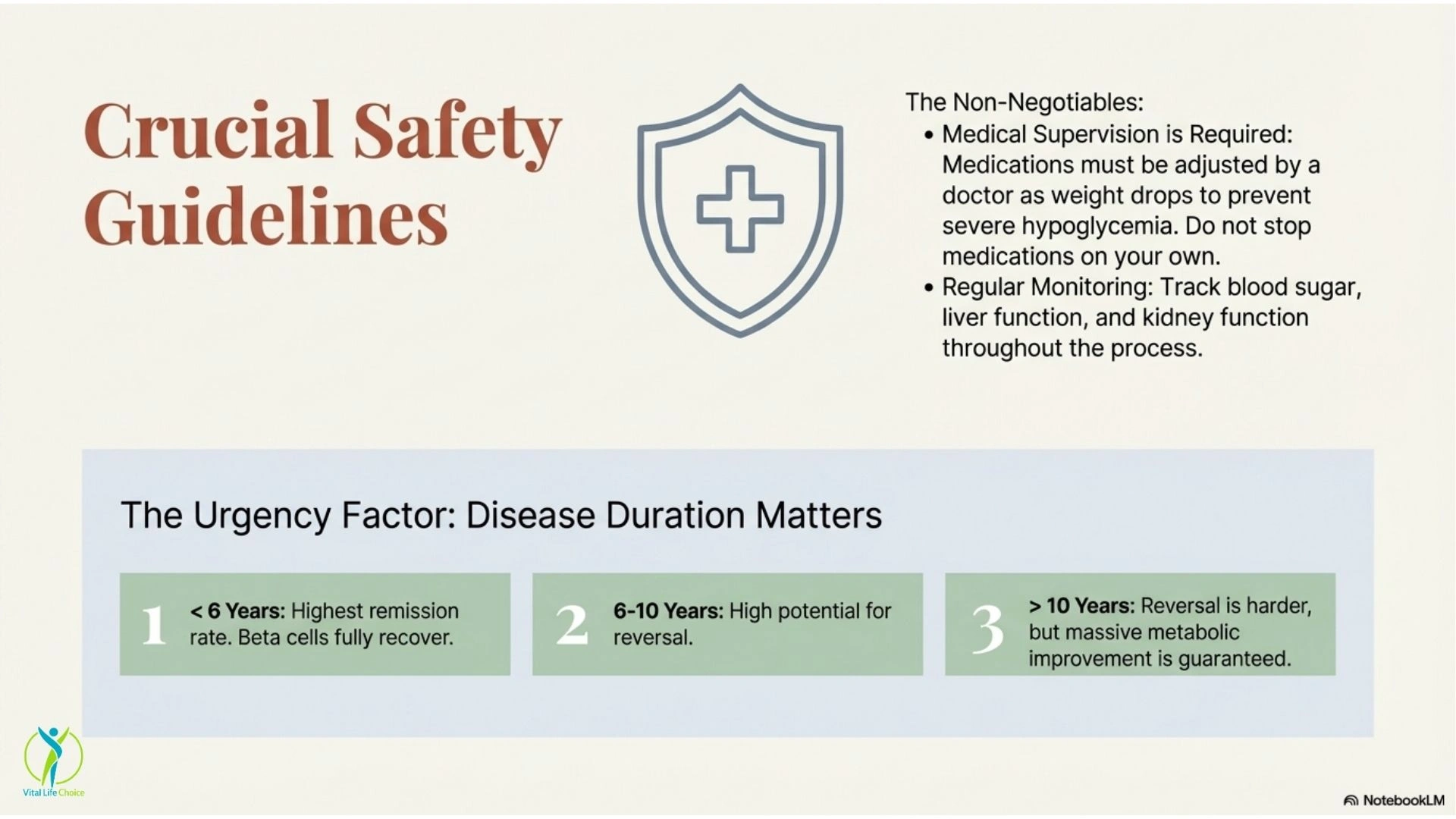

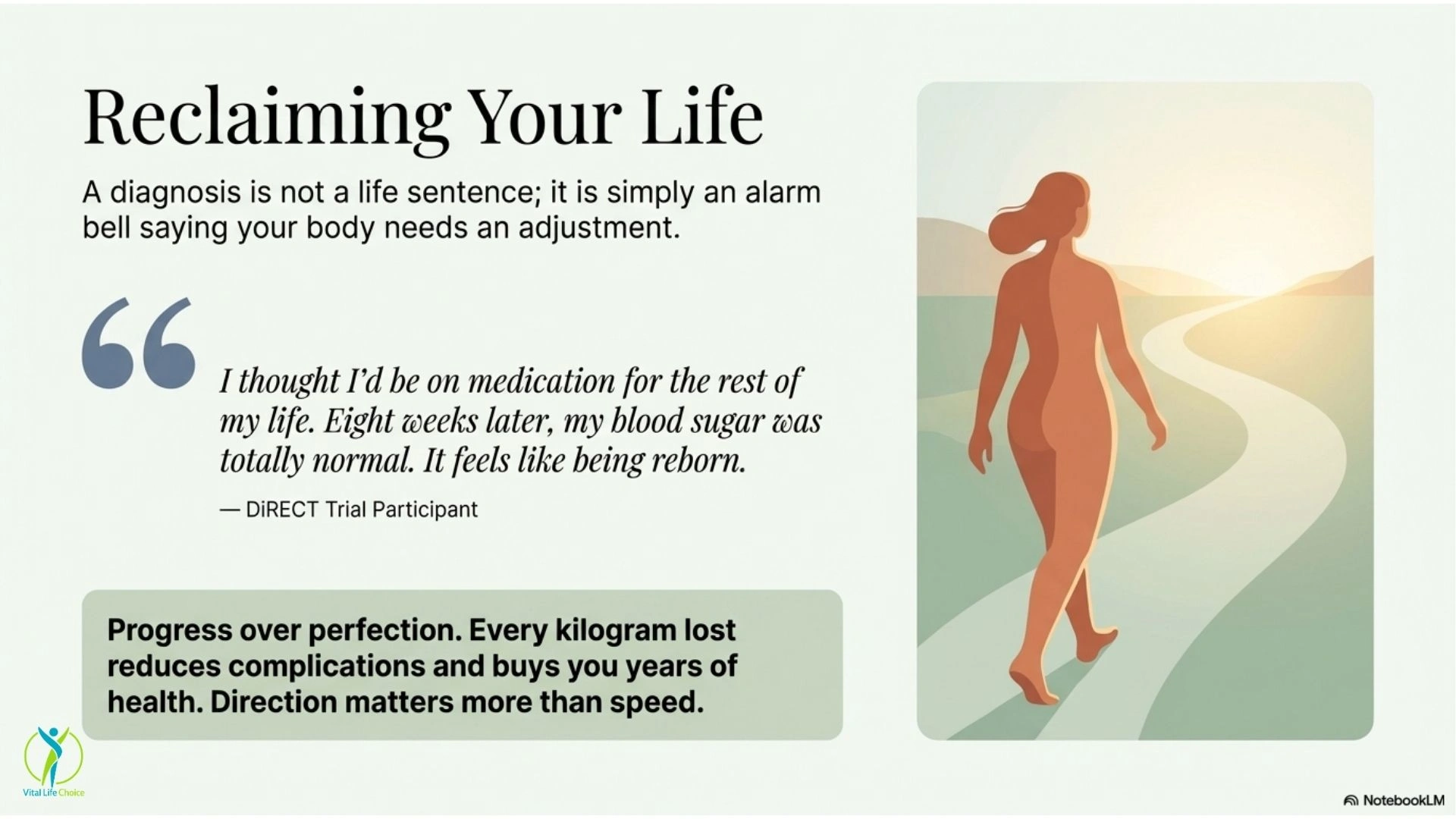

The Birth & Evoluation of Diabetes Series 3 - 14
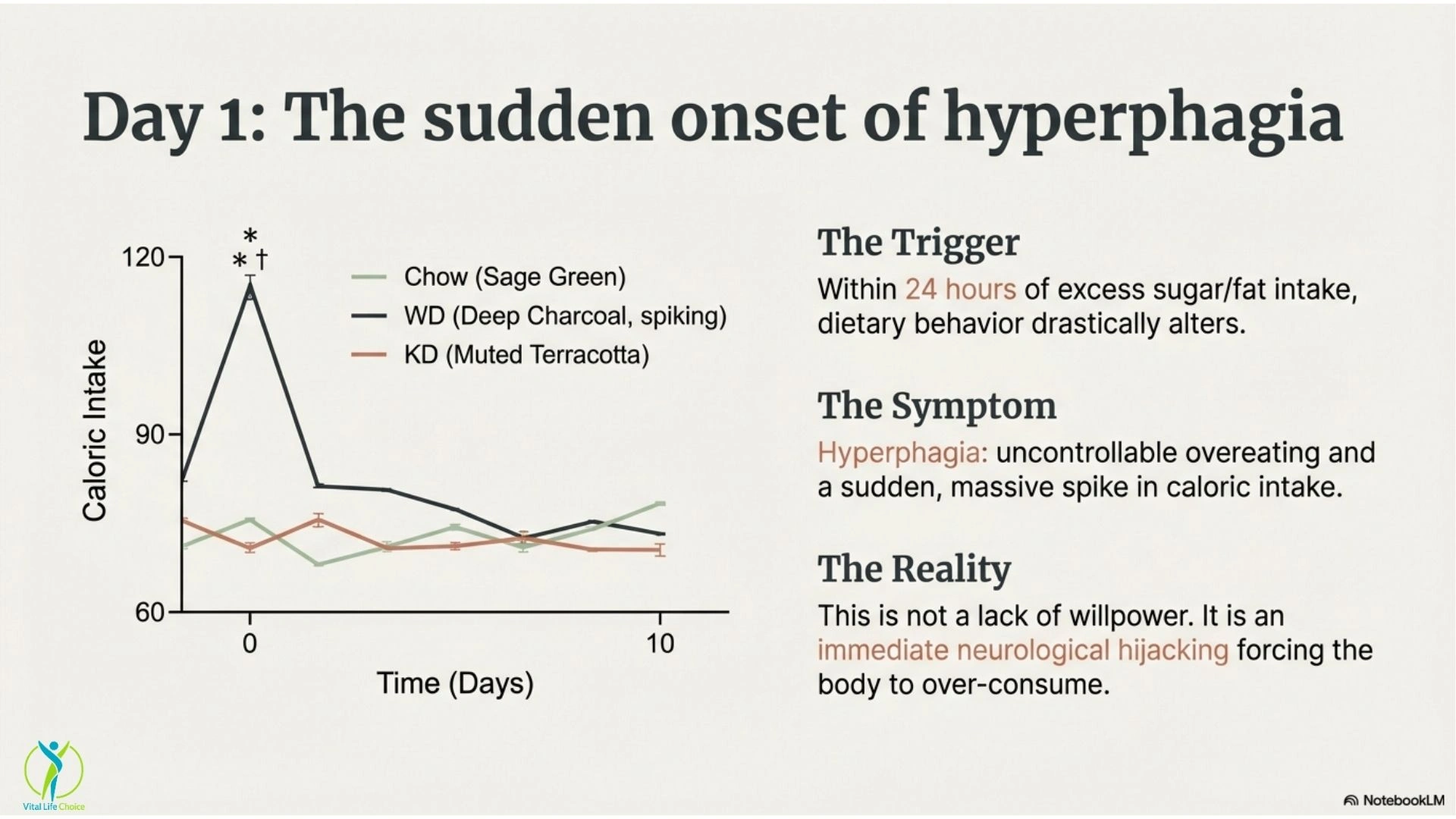
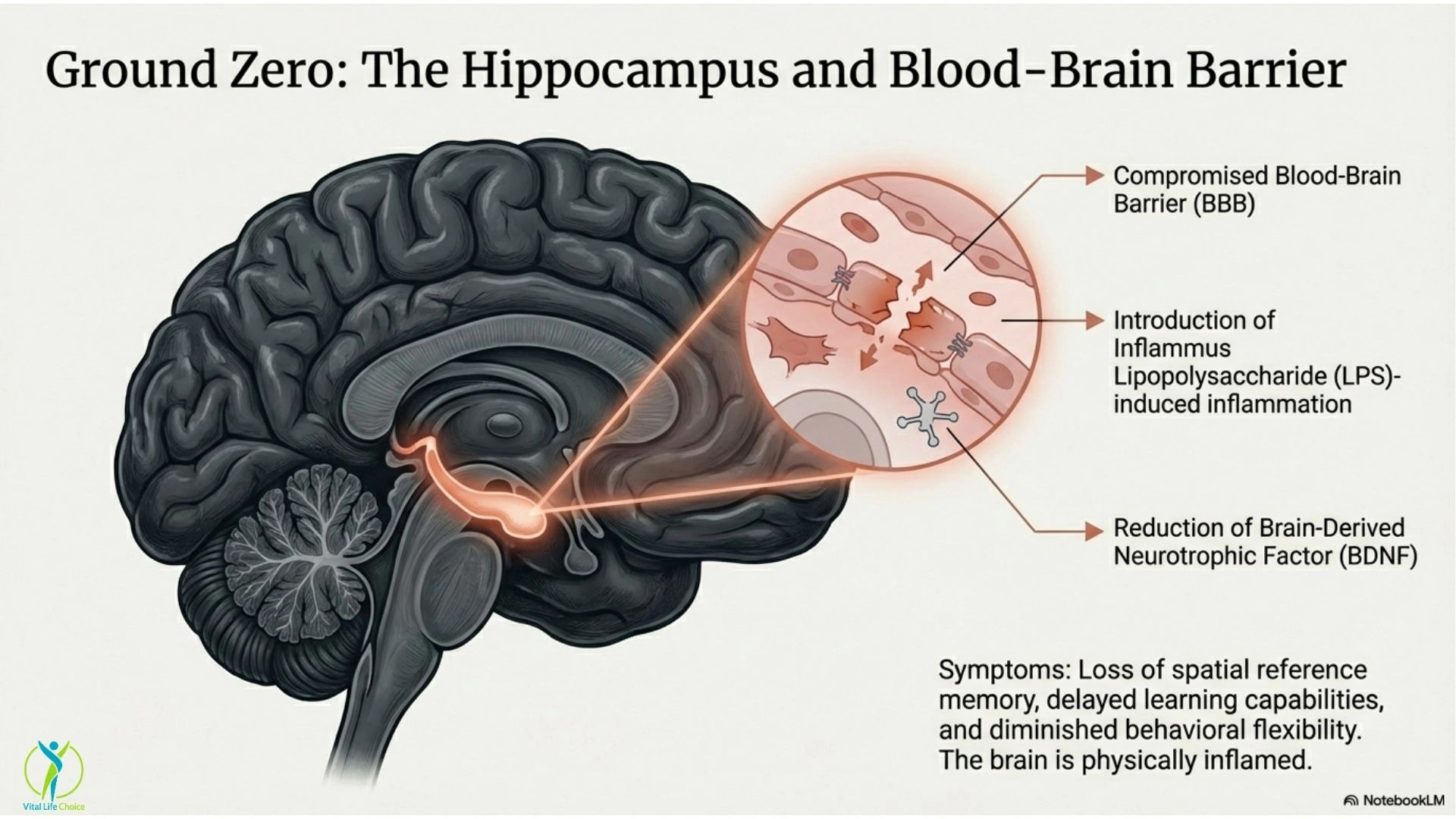
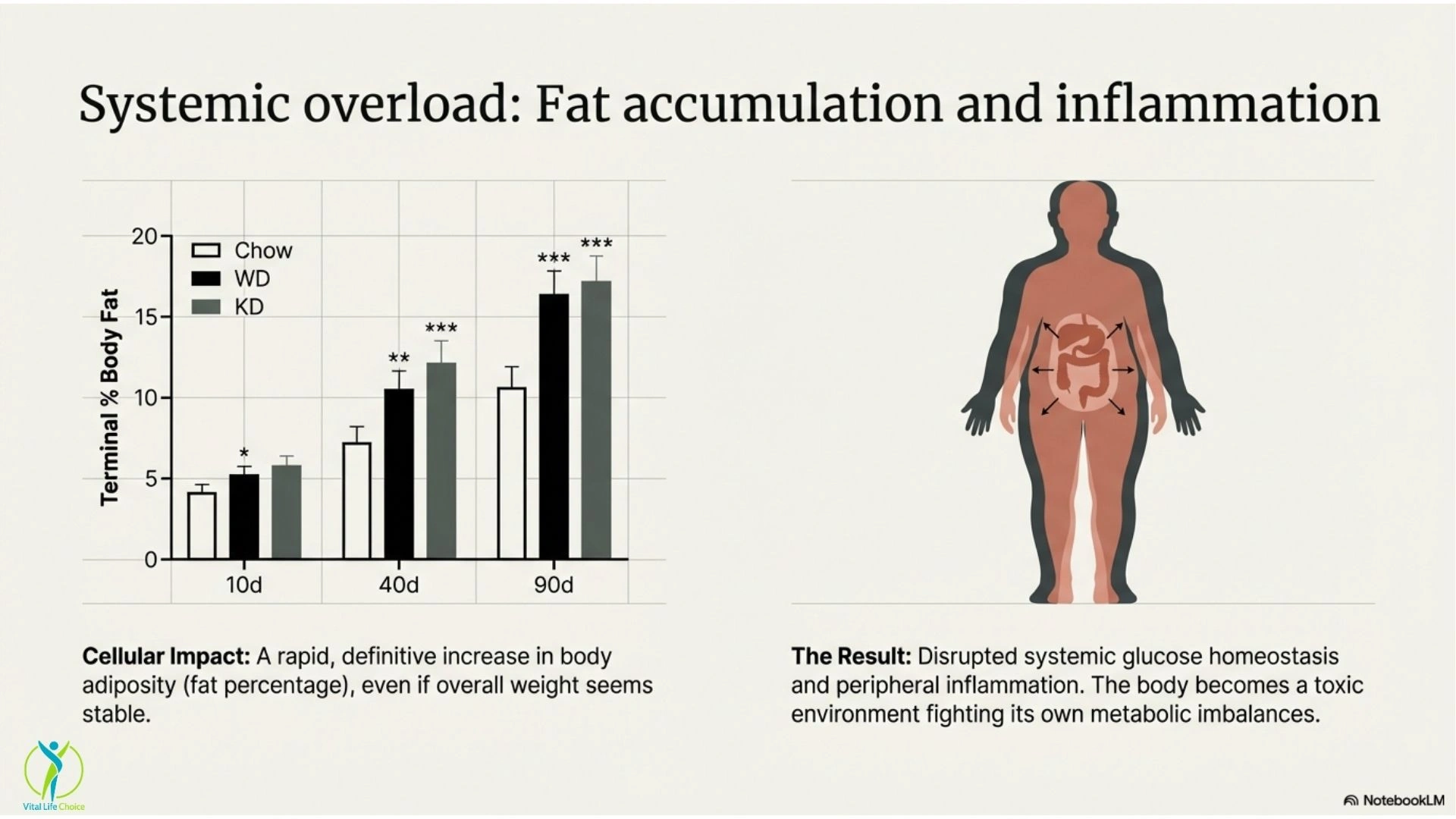
How Diabetes is Generated?








The Truth Behind Diabetes


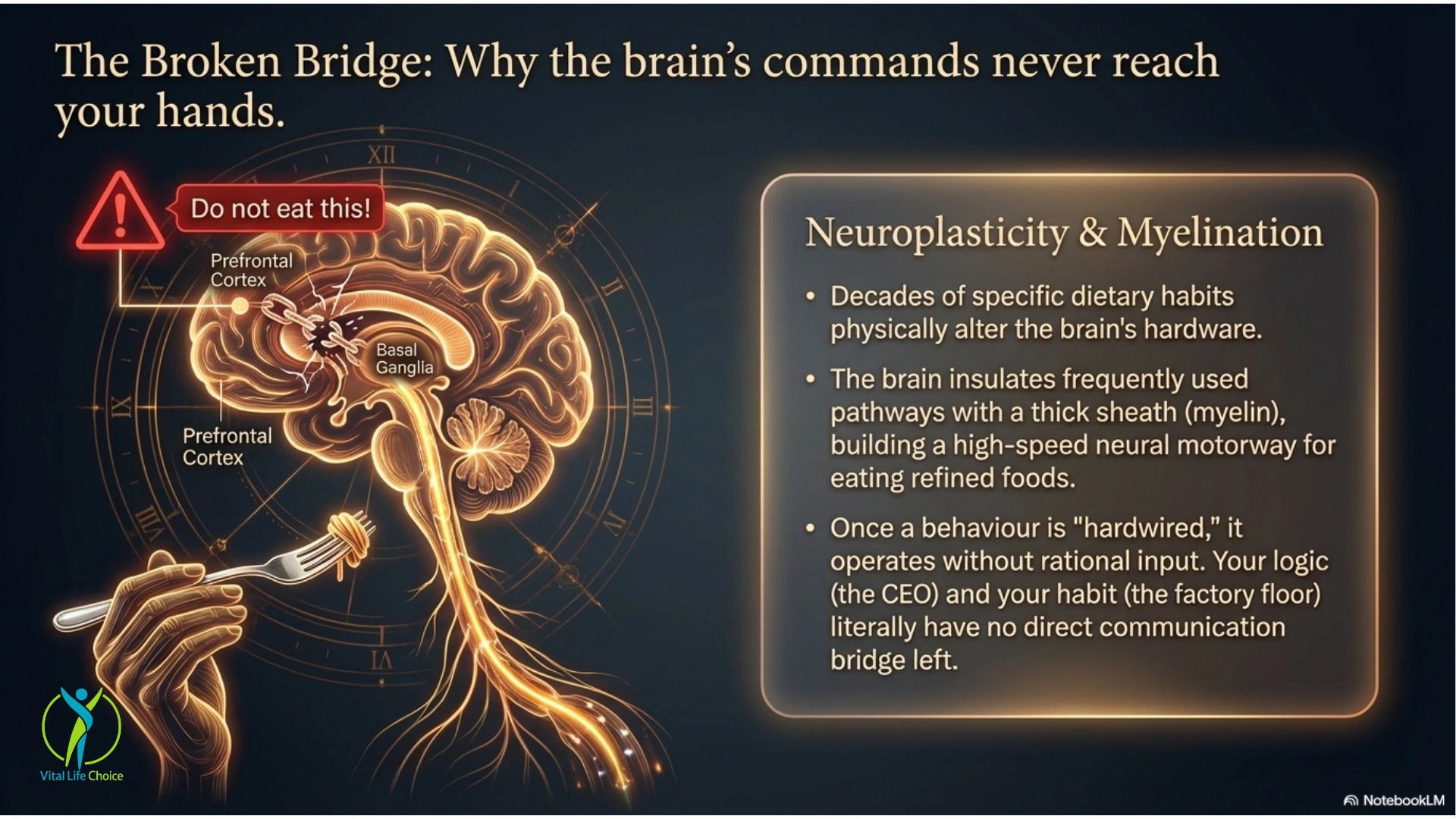
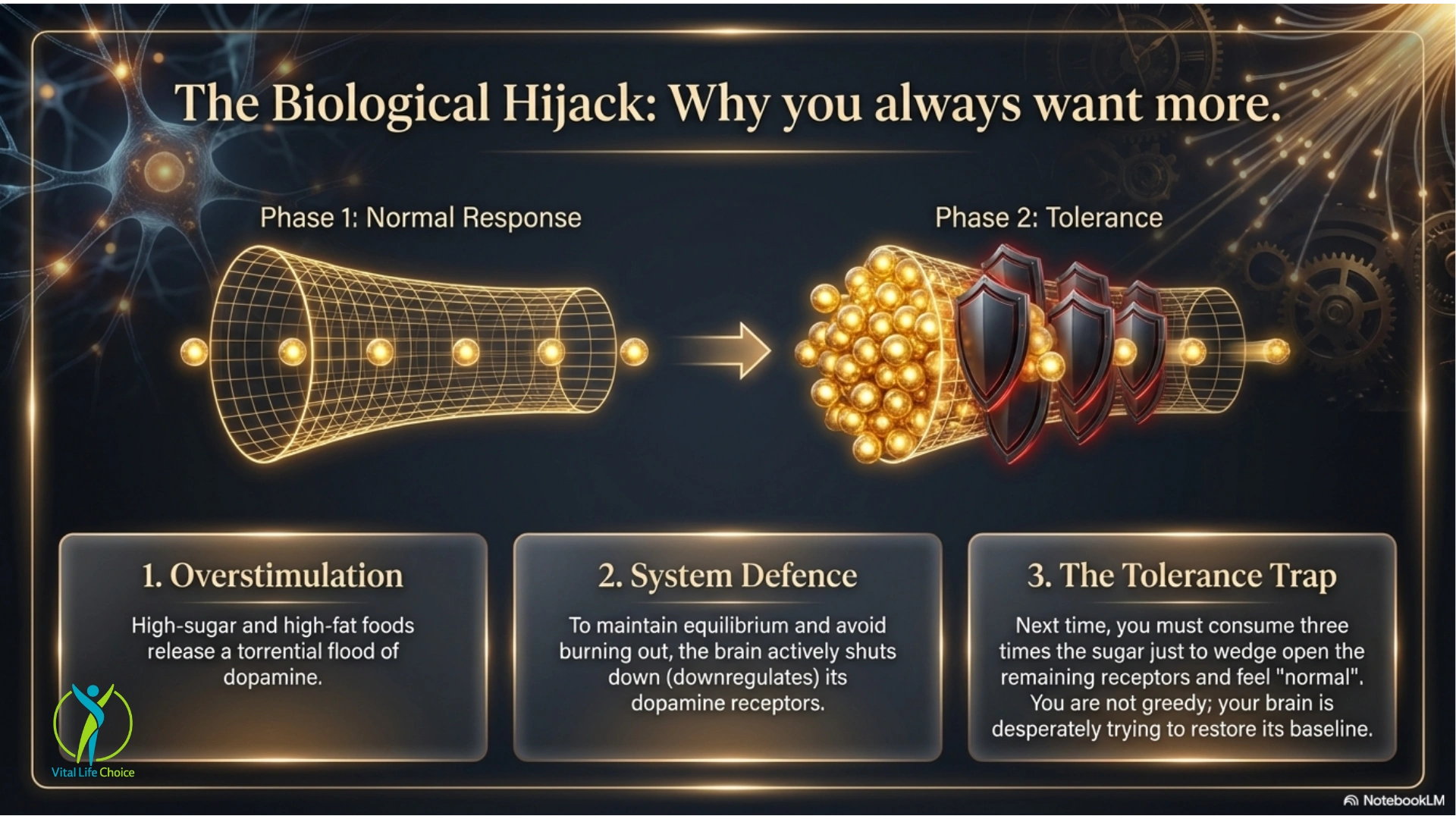
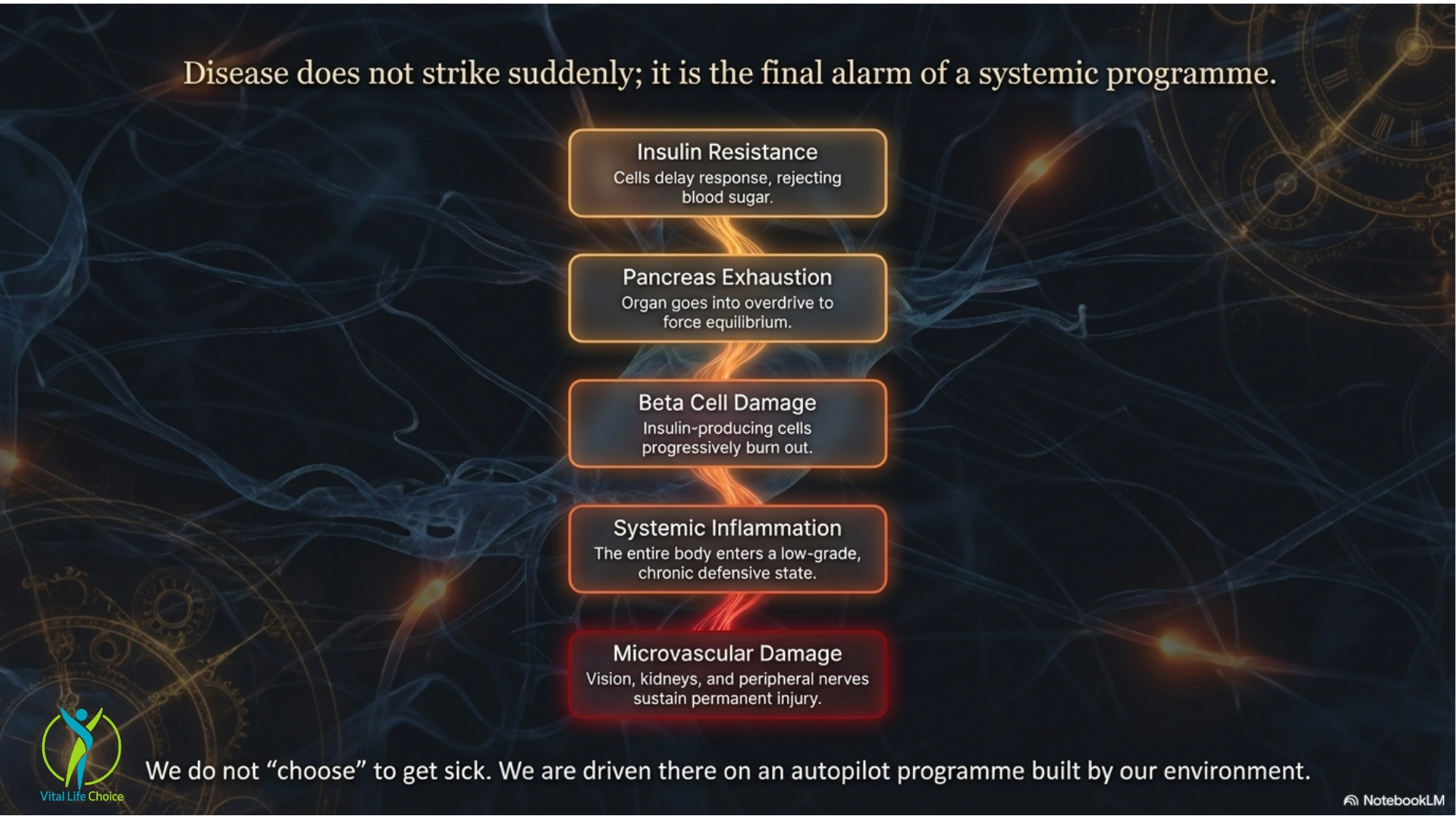

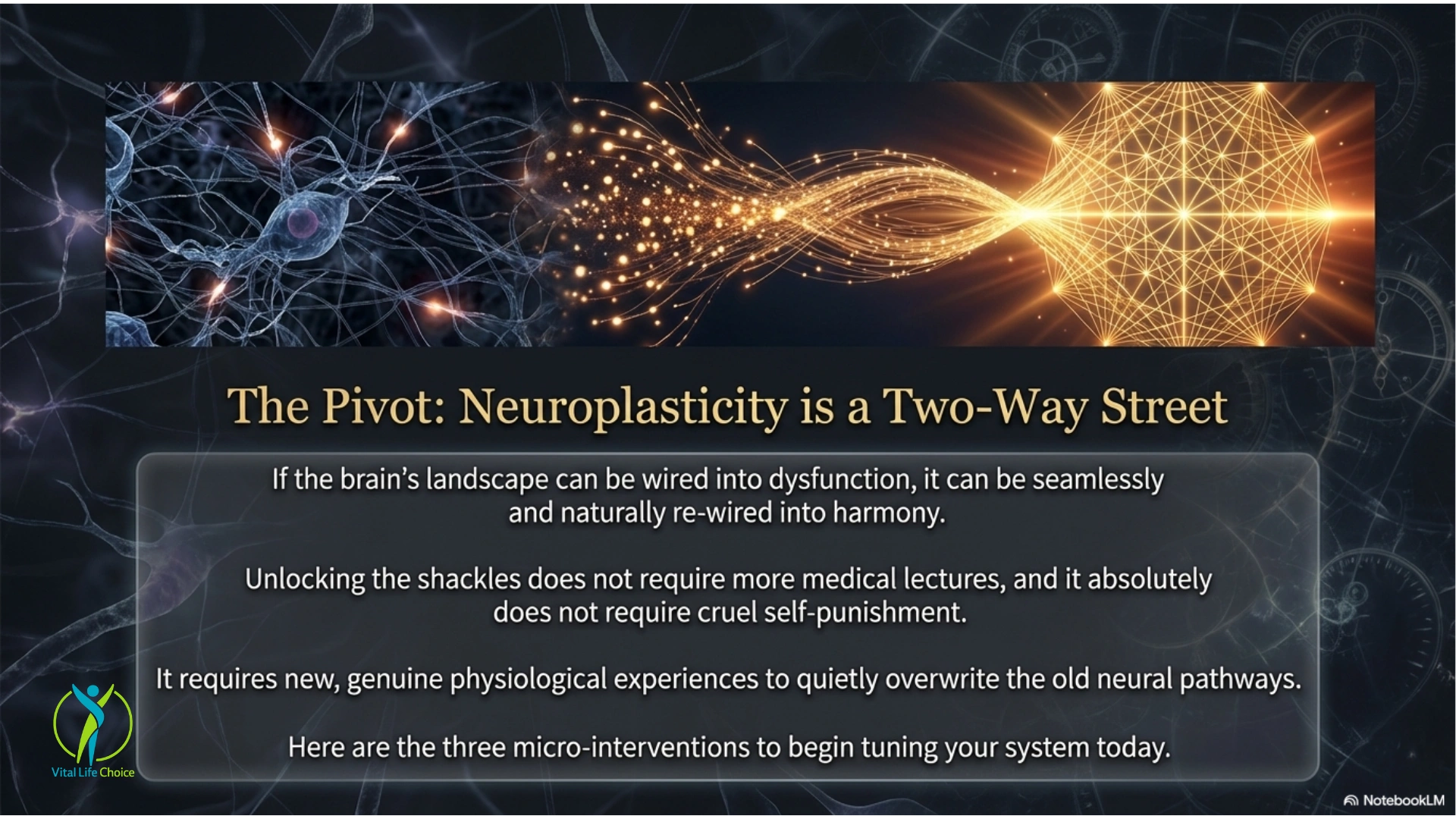







Truth Revealed Beyond the Veil of Conditioning
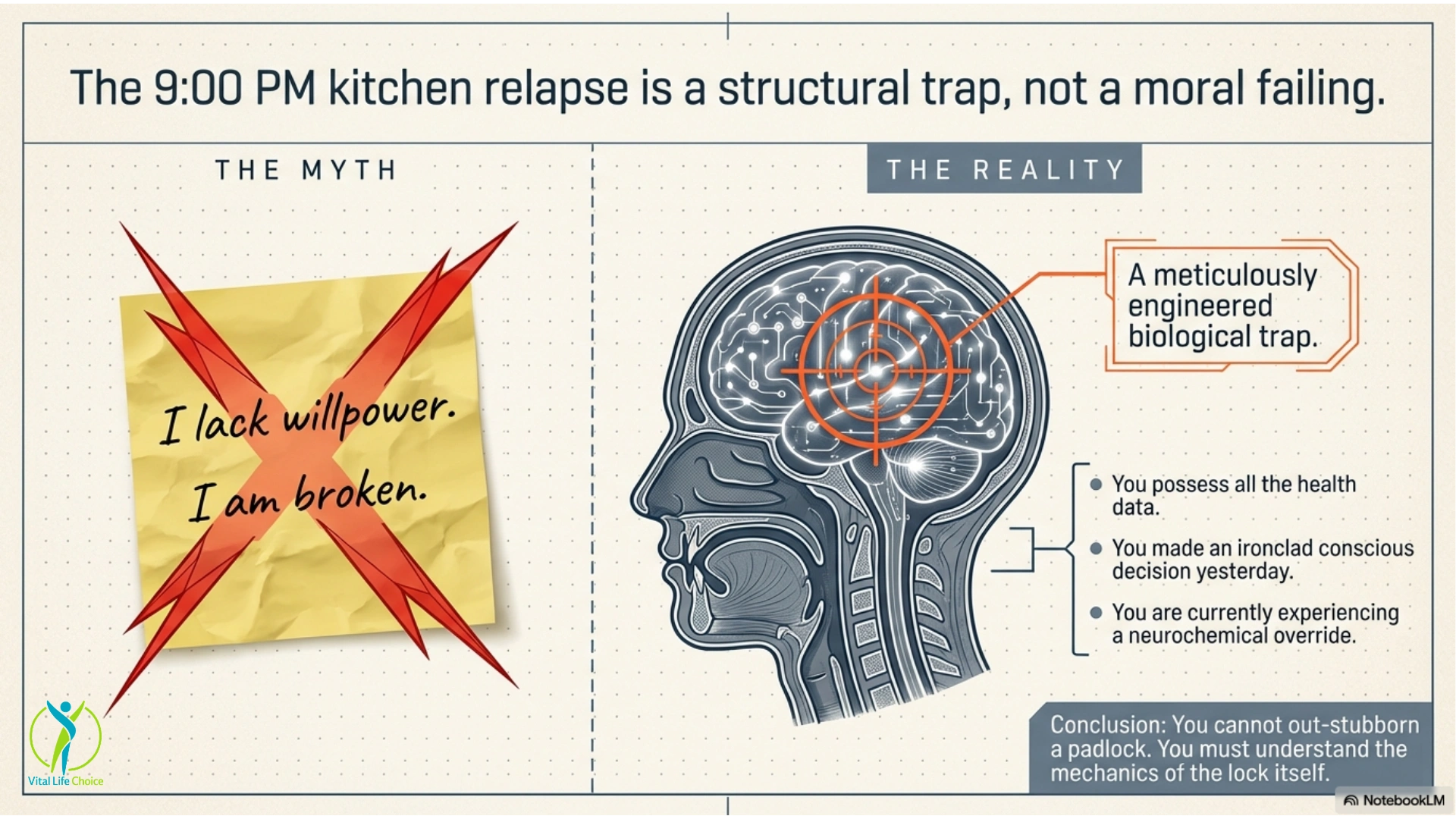
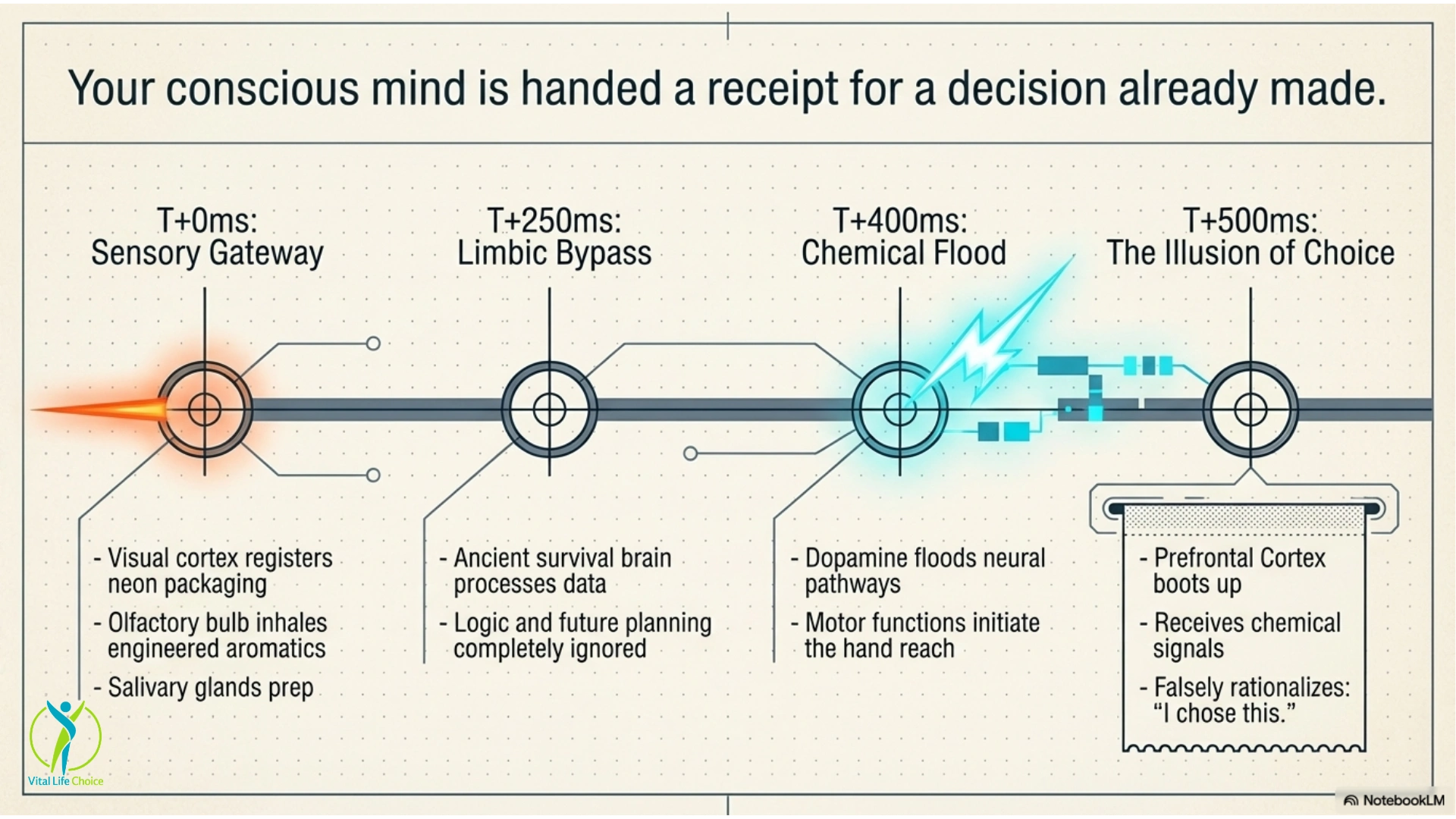

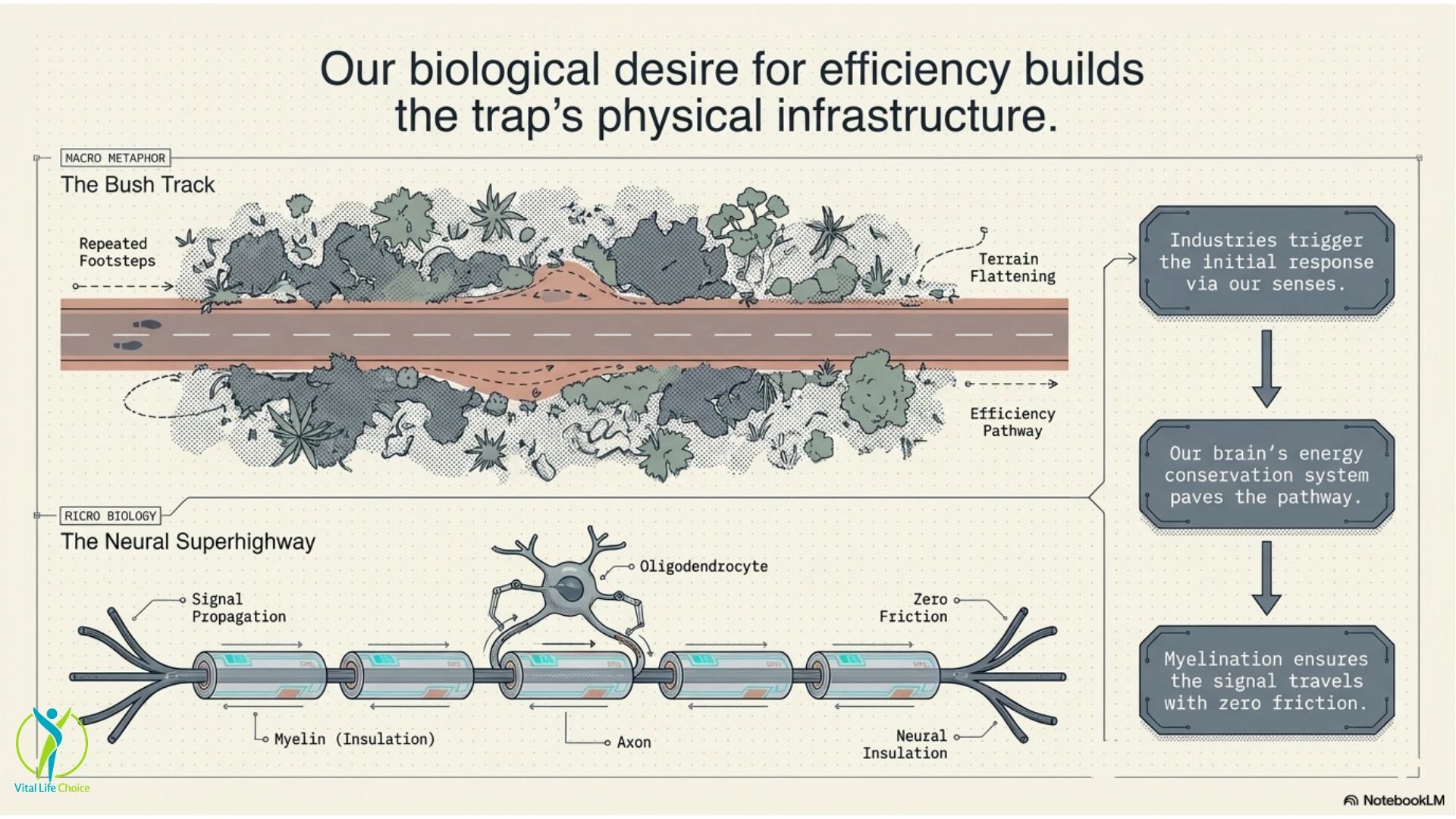
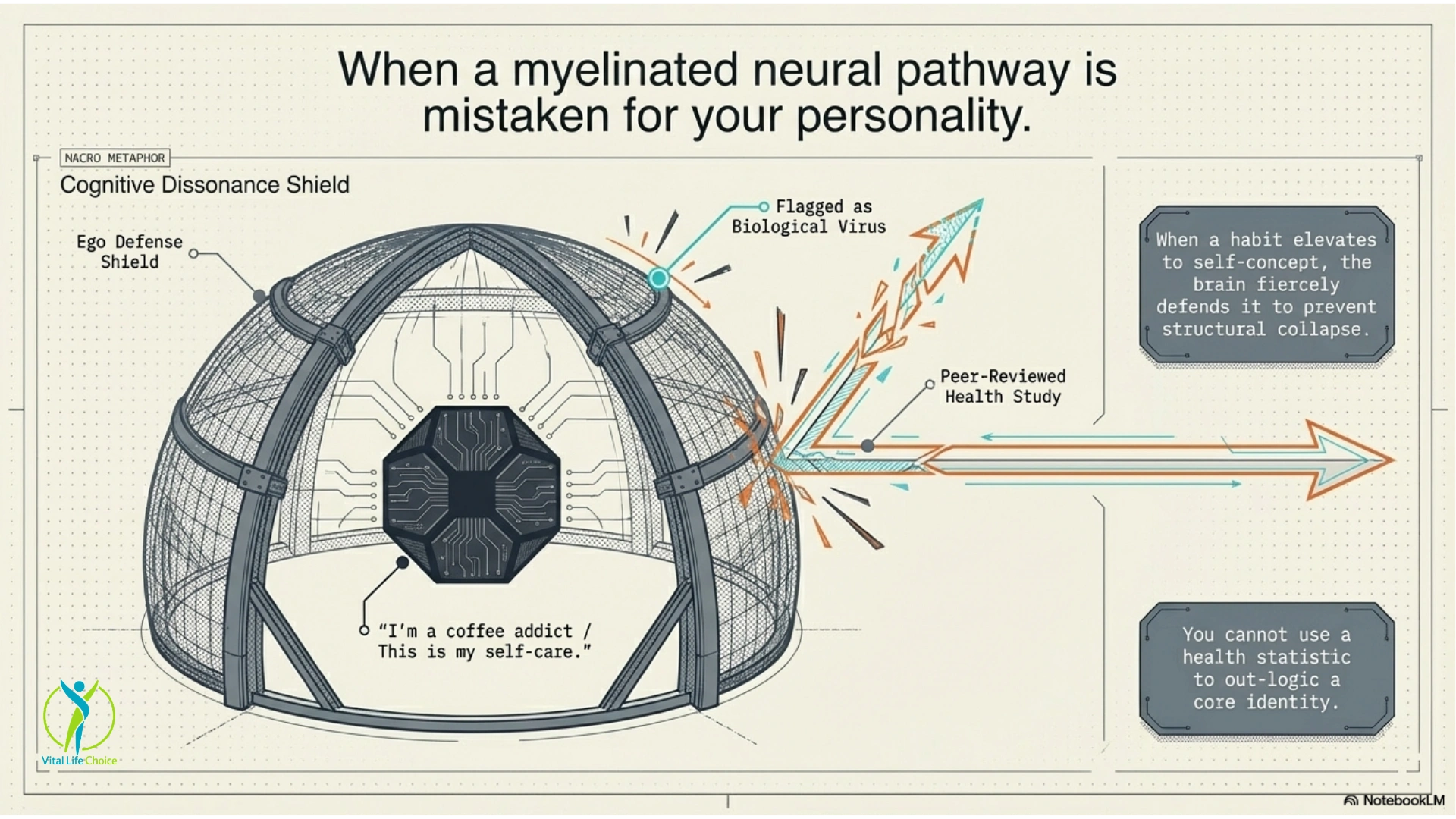


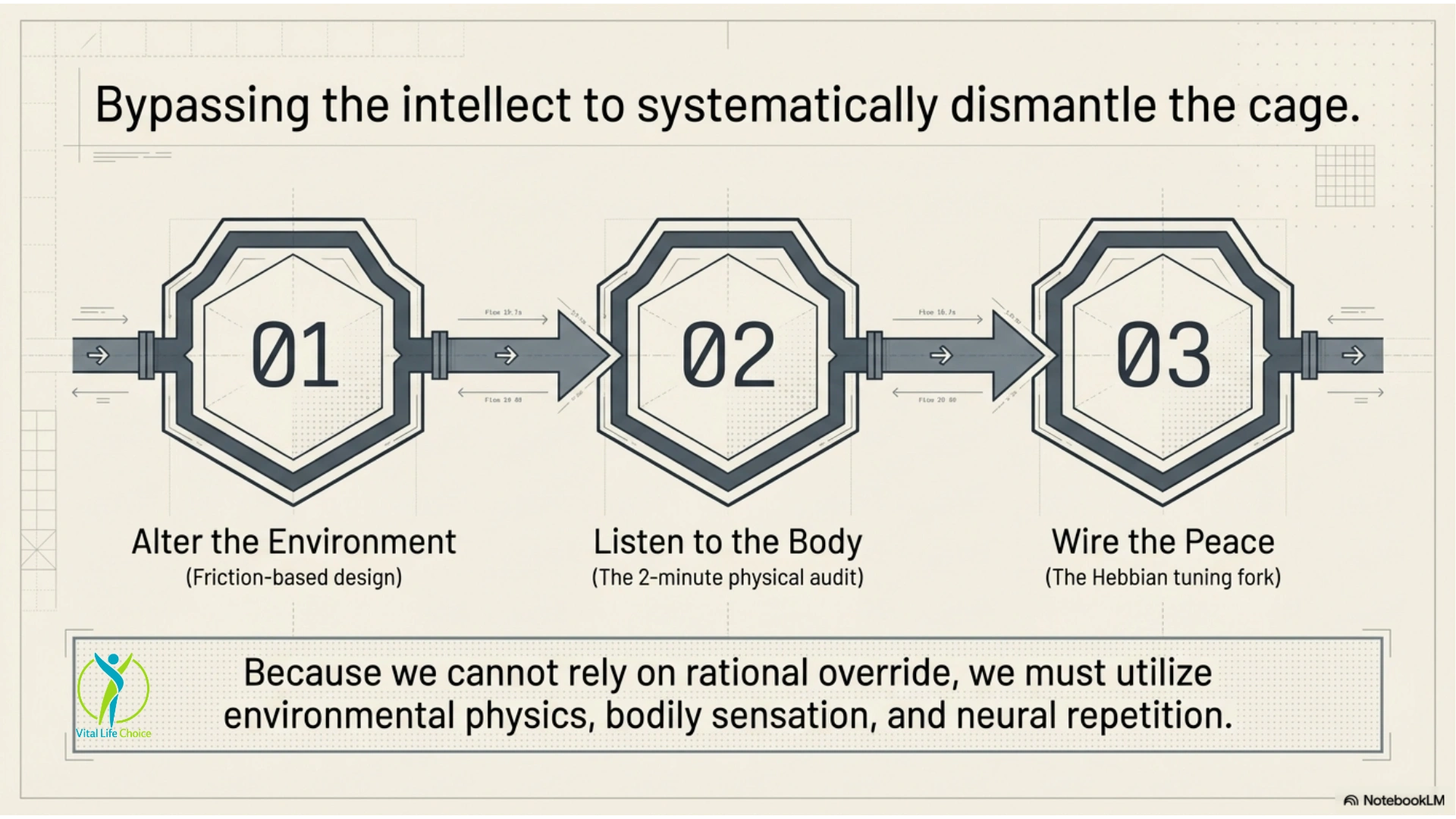


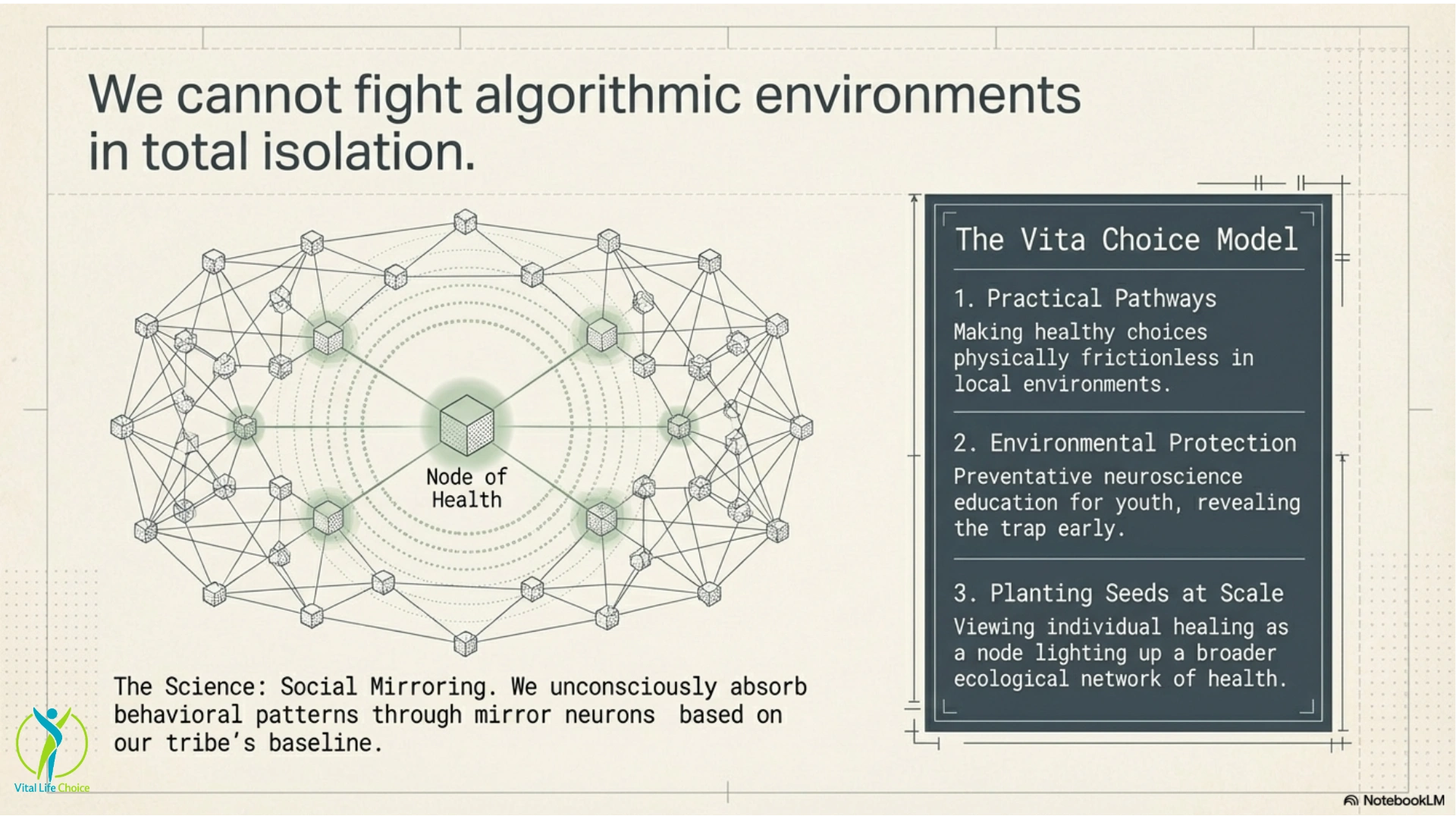
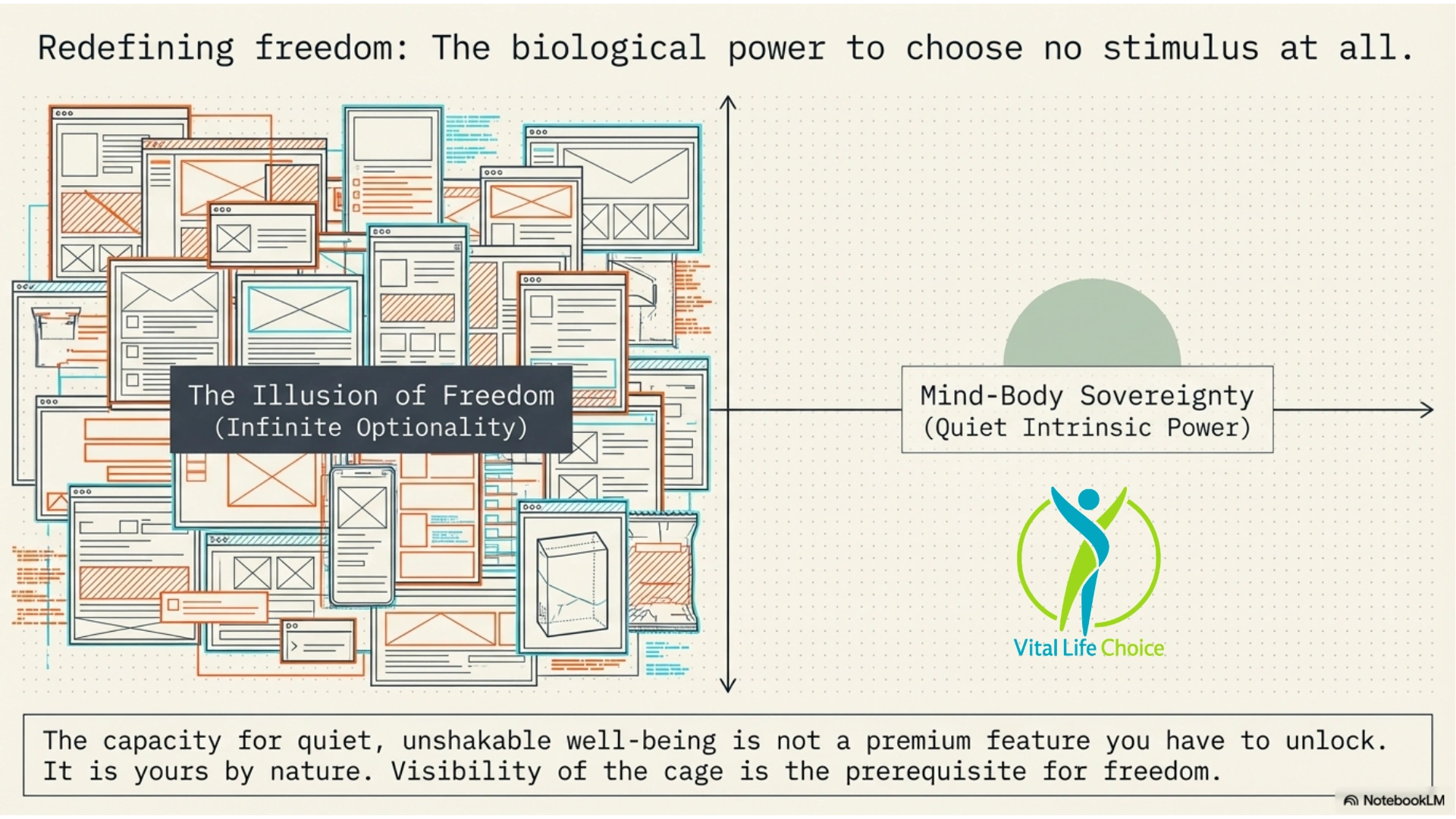

45 diseases caused by sugar

The reasons of 45 diseases


Upstream Disease Prevention Through Evidence-Based Intervention
SUGAR-RELATED DISEASE SERIES-Diabetes Mellitus
Upstream Disease Prevention Through Evidence-Based Intervention
UPSTREAM DISEASE PREVENTION STATEMENT
This educational resource focuses on upstream disease prevention—preventing specific diseases before they occur through evidence-based interventions—rather than promoting general health.
Target diseases for prevention and control:
Type 2 Diabetes Mellitus (T2DM)
Cardiovascular Disease (CVD)
Neurocognitive Disorders (memory impairment, cognitive decline)
Diabetic Complications (nephropathy, retinopathy, neuropathy)
This resource is NOT 'promoting general health' material.
1. Disease Overview
1.1 Definition
Diabetes mellitus is a chronic metabolic disease characterised by elevated blood glucose levels (hyperglycaemia), resulting from defects in insulin secretion, insulin action, or both. Prolonged hyperglycaemia leads to long-term damage, dysfunction, and failure of multiple organs, including the eyes, kidneys, nerves, heart, and blood vessels.
1.2 Classification
Type
Characteristics & Pathophysiology
Type 1 (T1DM)
Autoimmune destruction of pancreatic β-cells, leading to absolute insulin deficiency. Accounts for 5-10% of cases. Requires lifelong insulin therapy.
Type 2 (T2DM)
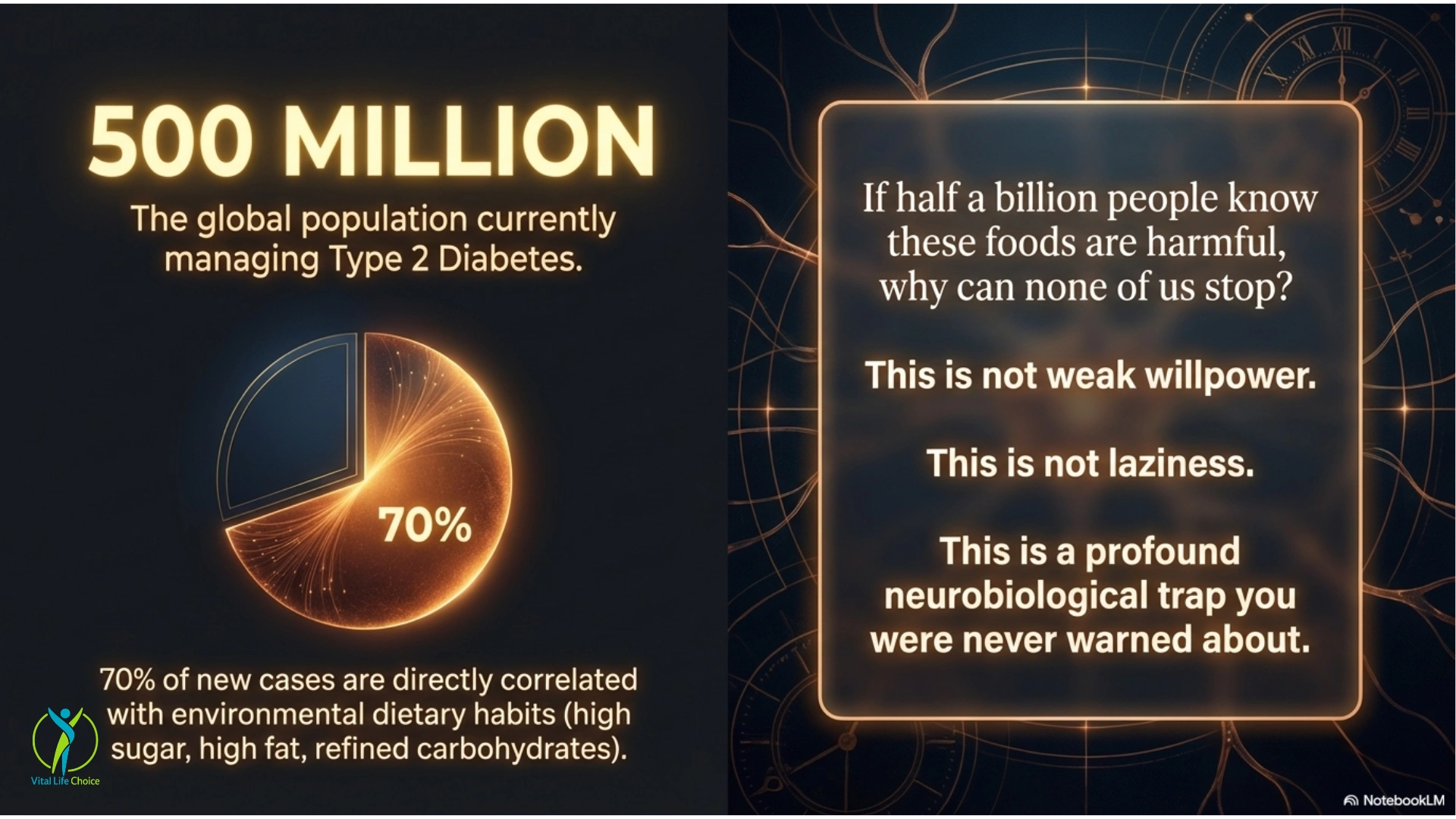
Progressive insulin resistance and relative insulin deficiency. Accounts for 90-95% of cases. Strongly associated with dietary factors including excessive sugar consumption. PREVENTABLE and potentially REVERSIBLE.
Gestational (GDM)
Glucose intolerance first recognised during pregnancy. Increases maternal and offspring risk of future T2DM development.
2.1 High-Fat High-Sugar Diet: Neurocognitive Damage
Critical Research Findings (Macquarie University, Australia):
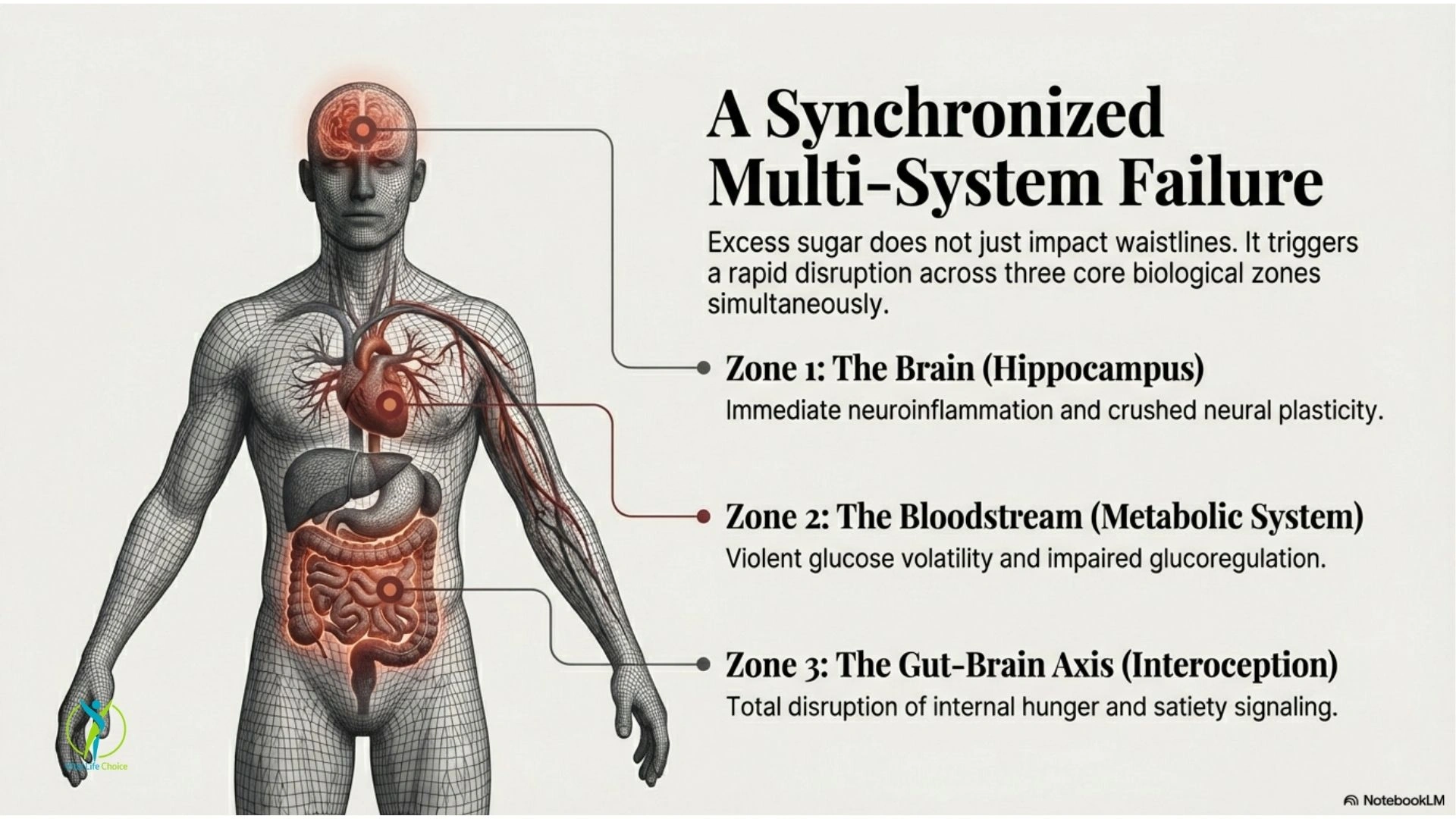
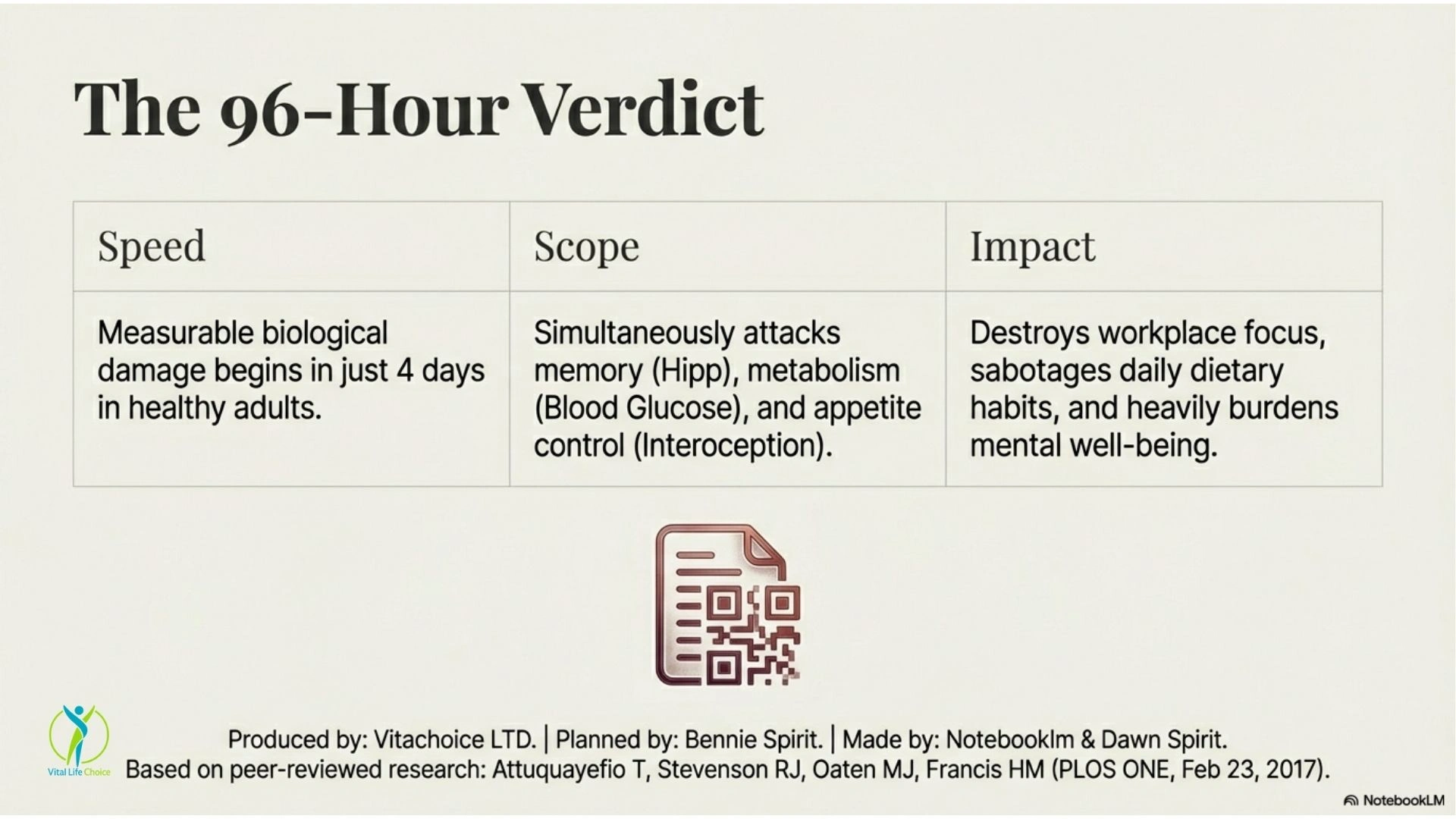
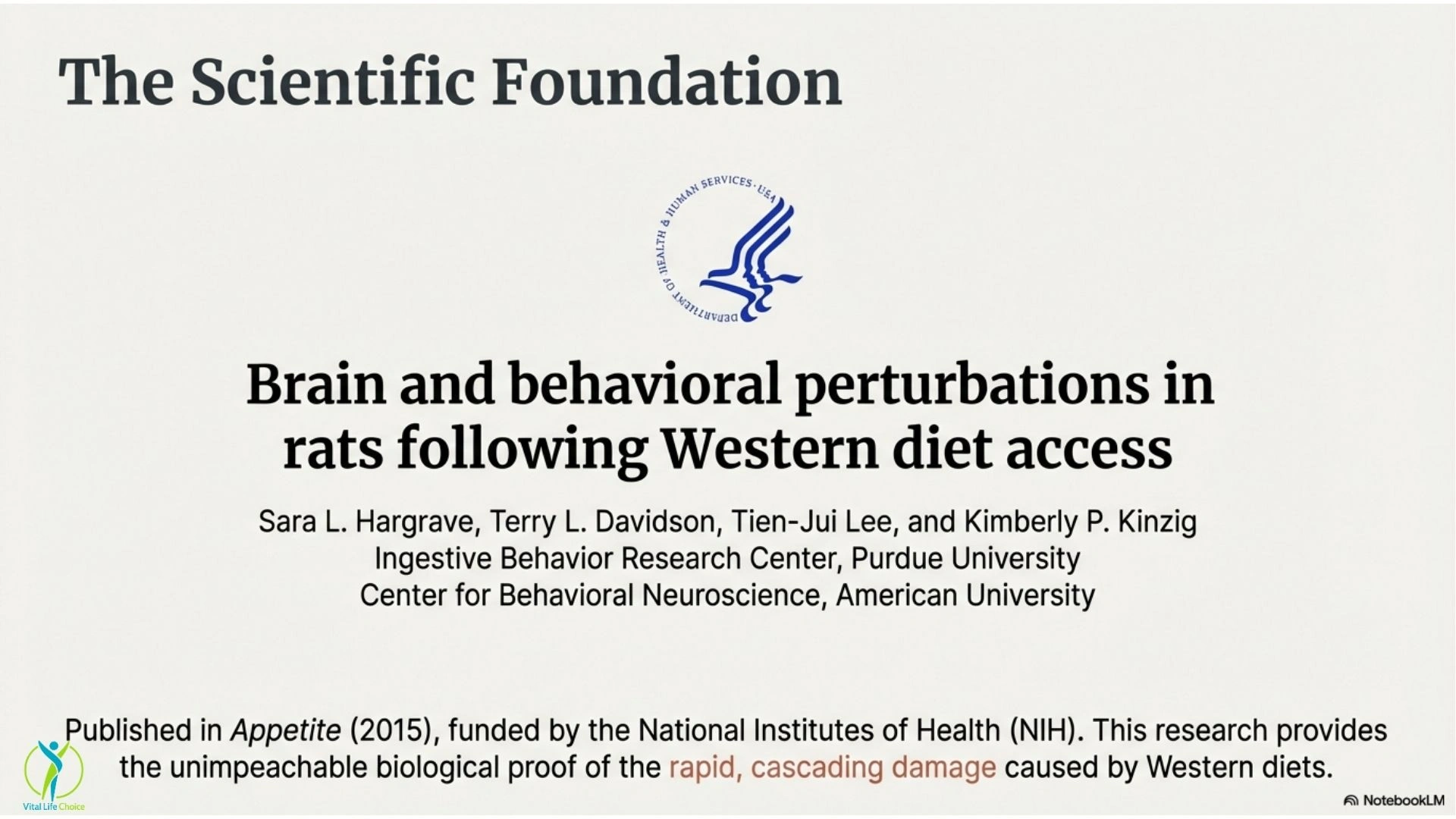
4-day Western diet intervention: Impaired hippocampal-dependent learning and memory (Attuquayefio et al., 2017, PLoS One)
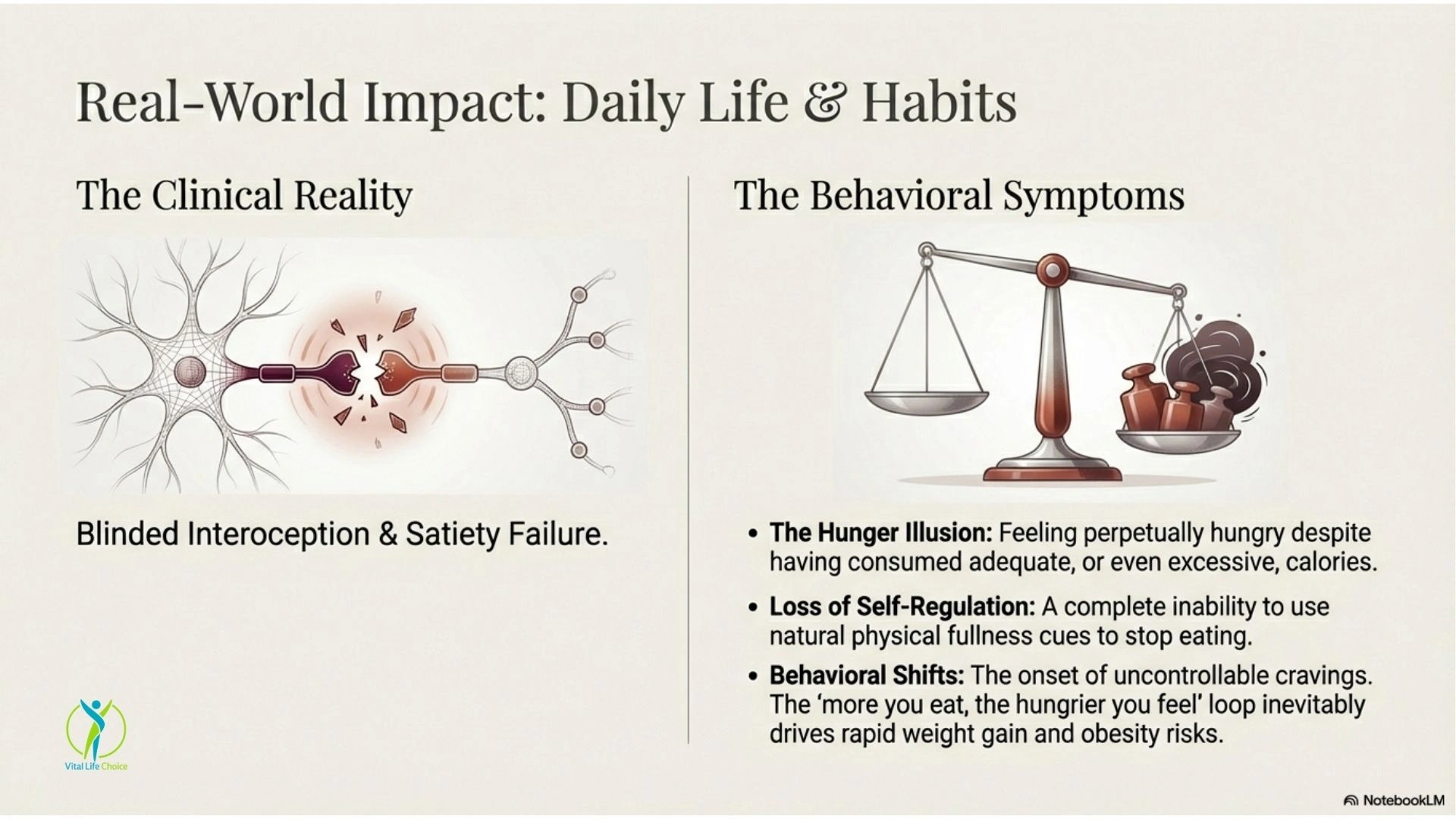
8-day intervention: Declined appetitive control (d=0.47), correlated with memory decline (d=1.01)
Adolescent vulnerability: 23% reduction in hippocampal neurogenesis (Murray & Chen, 2019, Frontiers in Neuroscience)
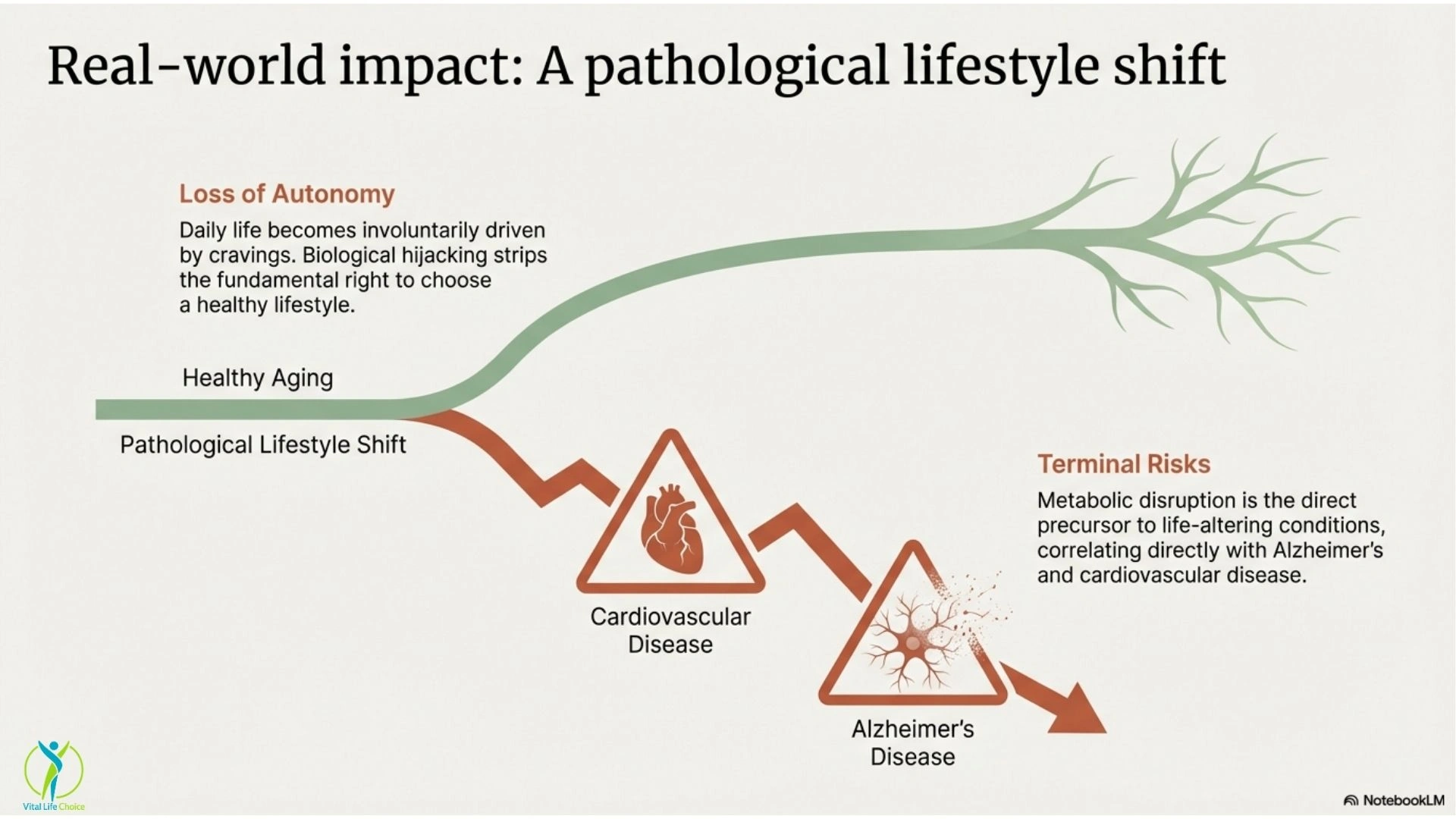
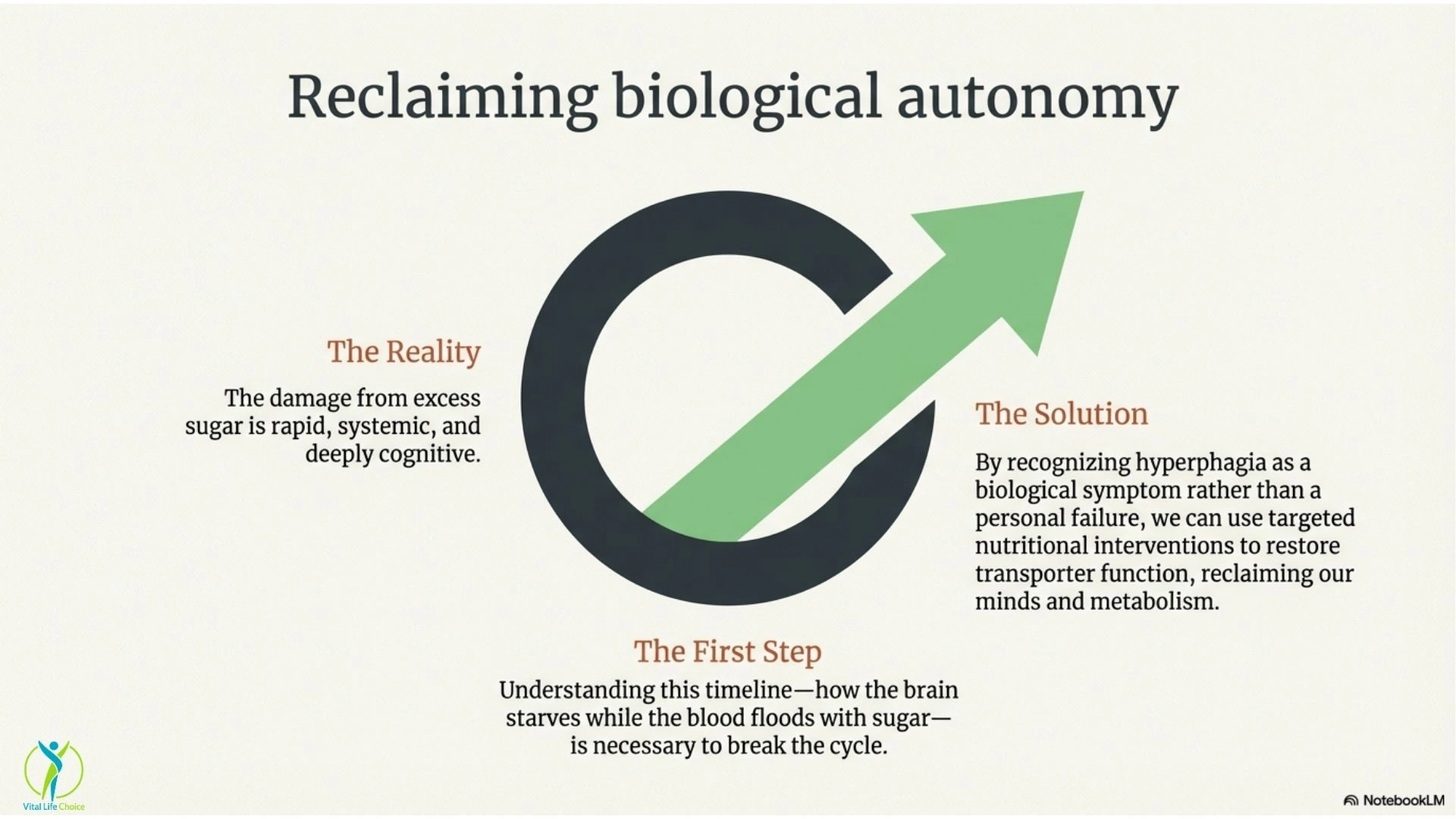
THE VICIOUS CYCLE: HFHS diet → Hippocampus damage → Memory decline + Increased impulsivity → Greater difficulty resisting unhealthy foods → Further hippocampal damage
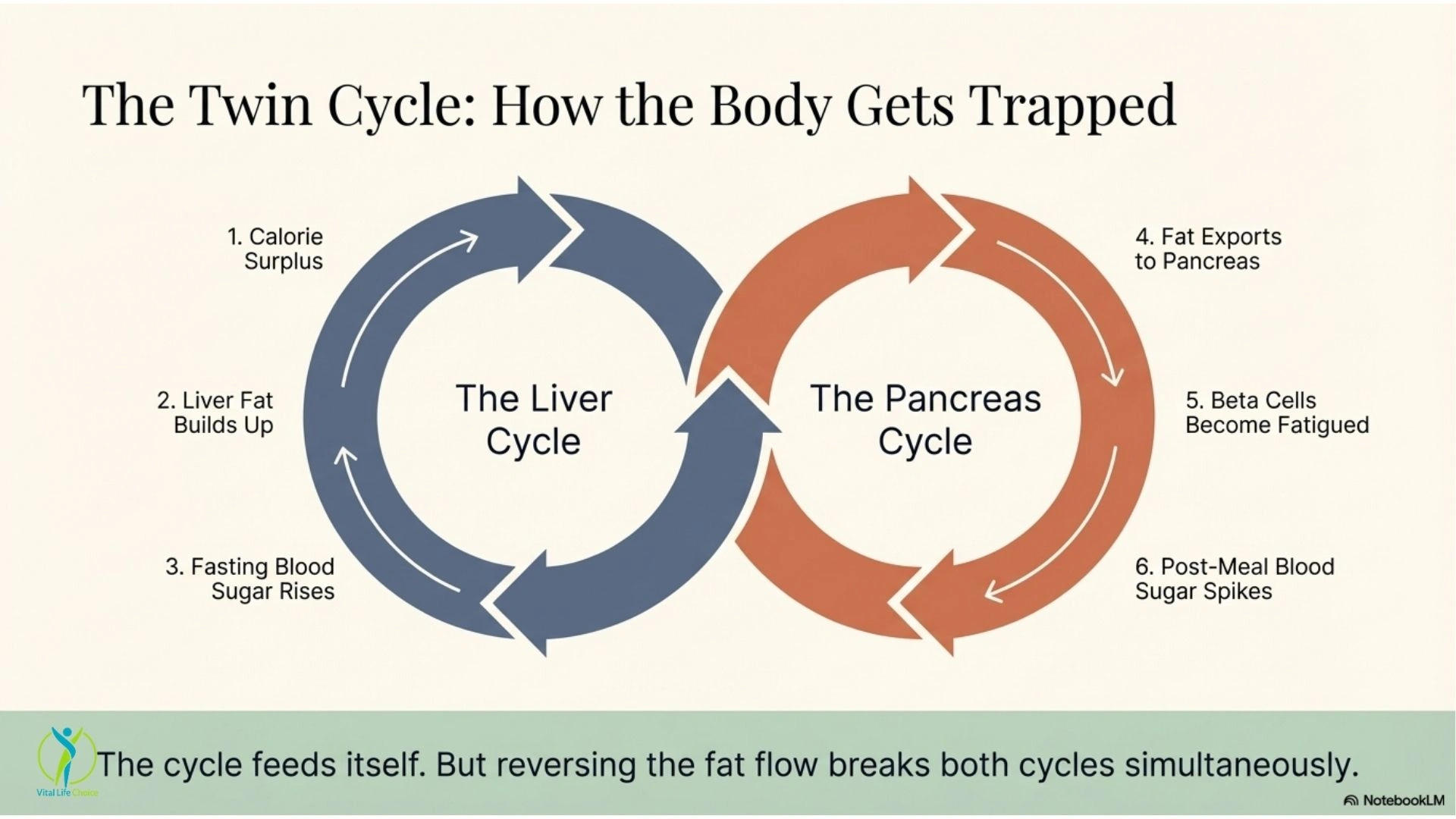
2.2 Type 2 Diabetes Pathophysiology
Chronic excessive sugar intake (causative agent)
→ Persistent hyperglycaemia and hyperinsulinaemia
→ Progressive insulin resistance in peripheral tissues
→ Pancreatic β-cell exhaustion and dysfunction
→ Type 2 Diabetes Mellitus
3. Symptoms and Clinical Presentation
3.1 Classical 'Three Polys'
Polydipsia-Excessive thirst
Compensatory response to fluid loss
Polyuria-Frequent urination
Osmotic diuresis from glycosuria
Polyphagia-Excessive hunger
Cellular glucose deprivation despite hyperglycaemia
3.2 Other Common Symptoms
Unexplained weight loss (especially T1DM)
Fatigue and weakness
Blurred vision
Slow wound healing
Recurrent infections (skin, urinary tract, genital)
Paraesthesias (tingling/numbness in extremities)
References
Disclaimer
This document is for educational purposes only and does not constitute medical advice. Individual medical decisions should be made in consultation with qualified healthcare professionals. The information presented is based on peer-reviewed scientific research and international guidelines current at the time of publication.
Open Resource Sharing Statement
Open Resource — Redistribution Welcome: This educational resource may be freely shared and redistributed for non-commercial disease prevention purposes. Please attribute to: Vital Life Choice LTD (ABN: 20 695 710 082).
———————————————
Vital Life Choice LTD
Charity, not for profit. Science over suffering. Wisdom for wellbeing.
ABN: 20 695 710 082 | Adelaide, South Australia
09 Mar 2026
Subscribe to us for more scientific truths about diabetes and chronic diseases.
Mastering Monday Energy: Why Protein and Fiber-Rich Low-GI Breakfasts Fuel Focus
Excerpt: Skip the morning sugar crash. Discover how starting your week with whole plant proteins, healthy fats, and soluble fiber creates flat glucose curves for sustained mental clarity and long-term metabolic health.
Body Content: Monday mornings set the metabolic and cognitive tone for your entire week. When time is tight, reaching for quick carbohydrates—such as white toast with jam, sugary pastries, or highly sweetened coffees—might feel like a quick fix, but it triggers a rapid glycemic spike followed by an inevitable mid-morning crash.
The Science of Morning Glycemic Control: When high-GI carbohydrates enter an empty stomach, glucose floods the bloodstream rapidly. This places heavy demand on the pancreas to secrete large amounts of insulin, causing sharp blood sugar fluctuations. This metabolic "rollercoaster" directly impacts your prefrontal cortex, leading to mid-morning brain fog, premature hunger, and sluggishness before lunch.
Key Benefits of a High-Protein, High-Fiber Low-GI Breakfast:
Sustained Mental Clarity: Gradual glucose release ensures a steady energy supply to brain cells without cognitive dips.
Optimized Insulin Sensitivity: Starting the day with minimal glucose volatility relieves pancreatic stress and supports metabolic resilience.
Enhanced Appetite Regulation: Dietary fiber and legumes stimulate the release of satiety hormones like peptide YY and GLP-1, keeping you satisfied until midday.
Three Simple Breakfast Upgrades:
Swap the Jam: Replace sugary fruit spreads with fresh avocado, sugar-free nut butters, or extra virgin olive oil.
Upgrade the Grains: Choose sourdough spelt, legumes (such as chickpeas or black beans), or chia-infused oats over processed white bread.
Add Lean Protein: Incorporate poached eggs, tofu, or smoked salmon to slow down gastric emptying.
At Vital Life Choice Ltd, we translate peer-reviewed medical research into practical lifestyle choices so you can take control of your long-term health.
Disclaimer: This educational resource is for general health promotion and does not substitute professional medical advice. Consult qualified healthcare providers for individual medical needs.